
The 1920s, give or take a few years, was a great time for bass fishing writers and writing. Outdoor magazines seemed to be everywhere, giving men with a talent for the written word a platform. The mass produced short rod and baitcasting gear was on its way to supplanting fly fishing, and the bass was overtaking the trout as the game fish of choice among the angling masses. Writers like Sheridan R. Jones, Cal Johnson, John Alden Knight, Robert Page Lincoln, and Ozark Ripley were popular names in the outdoor periodicals, and they would use that fame to write bass fishing books that were successful and popular. One of the earliest members of this fishing author fraternity was angling preacher O.W. Smith.
Onnie Warren Smith was born on October 2, 1872, in Weyauwega, Wisconsin, about an hour west of Green Bay, and a stone’s throw from the Waupaca River, which branches off from the Wolf River. It was from the Waupaca River that Smith caught his first fish and found one of his callings. Smith’s other calling was preaching for the Lord. In 1895 he became an ordained Methodist Minister and preached for 20 years in the Methodist church as a circuit rider. Then, around 1915 he switched affiliation and joined the Congregationalists, where he preached in several churches until his death in 1941. From 1927 to 1940 he was assigned to the Congregational church in Oconomowoc, the same city where Dr. James Henshall once served as the community’s first mayor.
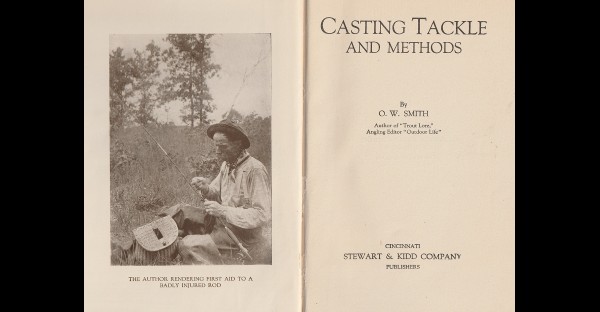
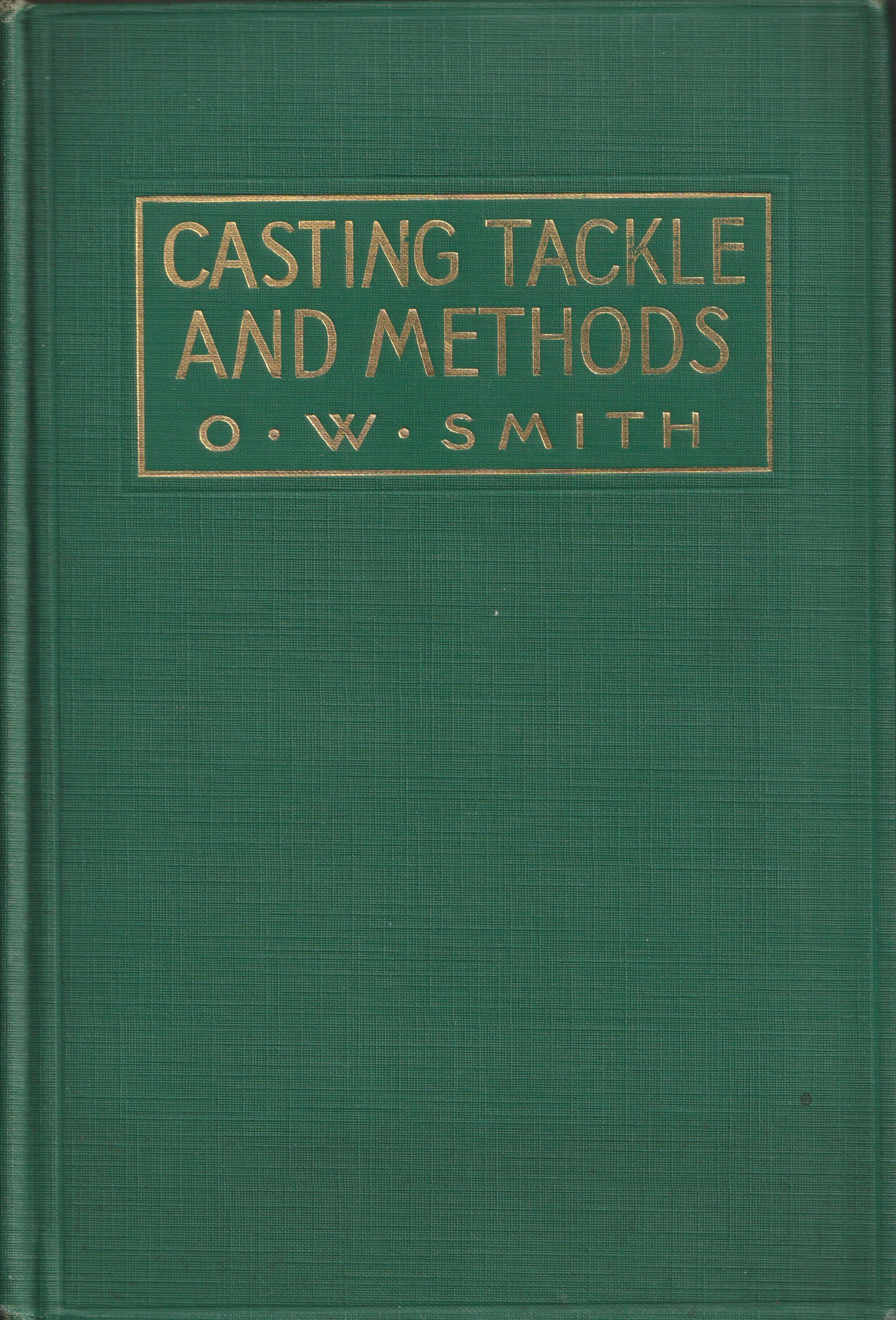
Smith served as the Angling Editor for Outdoor Life magazine and later, from 1936 until his passing in 1941, for Outdoors magazine. He also contributed to other magazines and wrote seven books on fishing, his most famous probably being Trout Lore in 1917. In 1920 his book, Casting Tackle and Methods, was published, and is the subject of this article. I’m tempted to give a biography of Smith, because his life story is extremely interesting, but that will have to wait as I just finished reading Casting Tackle and Methods and am eager to share my opinion of it. Suffice to say, none other than Robert Page Lincoln declared in a February 12, 1933 Star Tribune newspaper column that “Ozark Ripley and O. Warren Smith rank as two of the best fishing writers of the present day.”
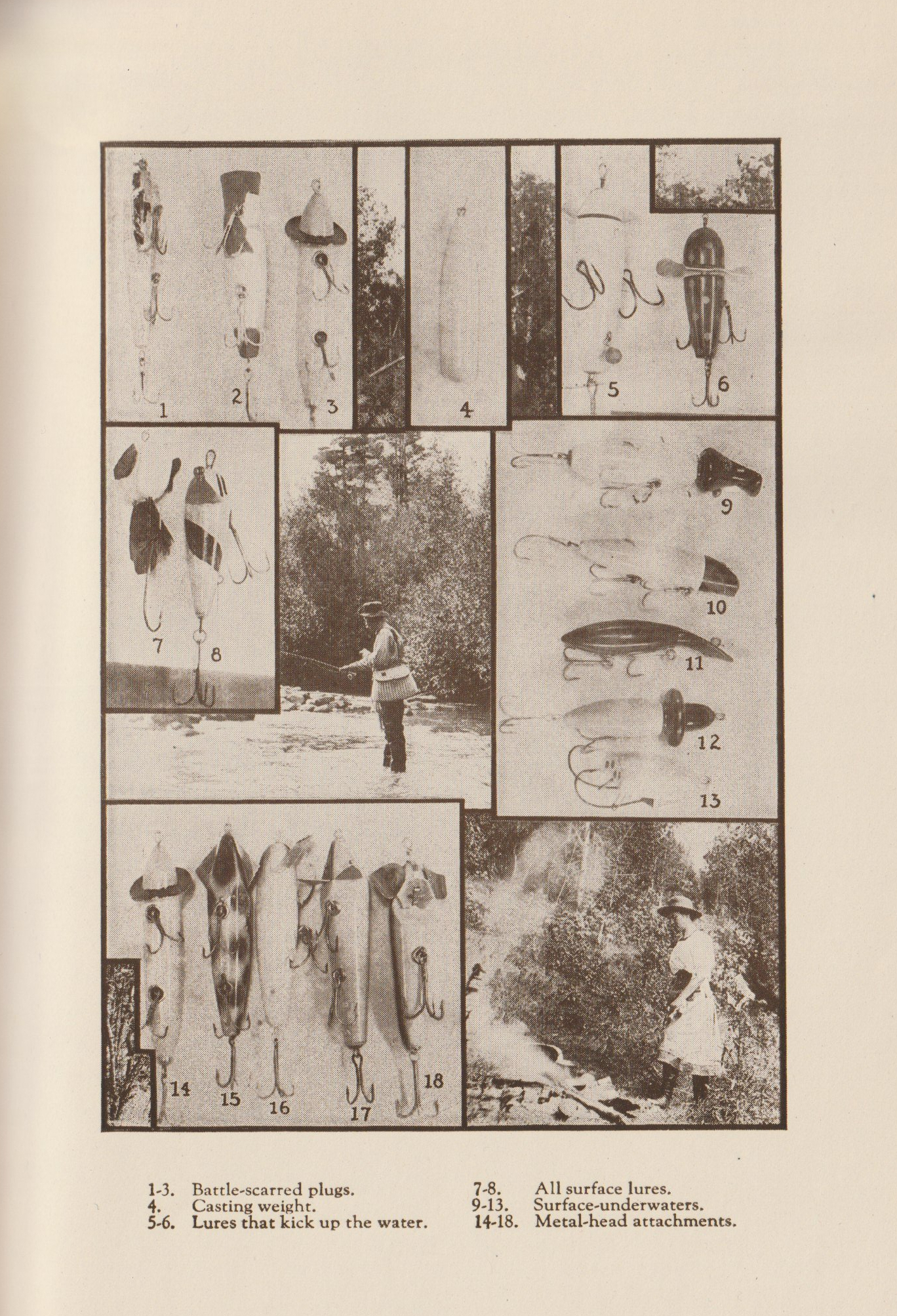
After his forward, Smith begins his book with the “Bait-Casting Rod,” declaring that “No single article of the bait-caster’s equipment is more earnestly or lengthily discussed than the rod, and perhaps there is nothing regarding which there is greater diversity of opinion.” And earnestly he does discuss the baitcasting rod. In addition to discussing split bamboo and steel rods, O.W. goes into incredible detail on what solid woods make the best rods, their pros and cons, his experiences with them and what others say about their properties. Bethabara, greenheart, lancewood, ironwood, yew, hickory, ash, osage orange; each gets dissected and evaluated, and it is fascinating. Of special note too, in this section, is Smith’s reverence for “James A. Henshall, ‘the father of the black bass,’ for to him we owe the modern rod,” although he admits that Henshall’s rod was nothing like the short casting rod of Smith’s day. “I mention Henshall’s rod here because it was the first real ‘casting rod,’ the fore-runner of all modern casters.” Smith also discusses joints and mountings in detail and with clarity. His discussion of German silver mountings; enameled steel rods in black, green or blue; agate guides; reel seats and butt caps of German silver, speaks to not only the utility and resilience of Smith’s preferred rod materials but also to his appreciation for beauty, which he mentions as not unimportant.
His chapter on baitcasting reels is as much a history lesson as it is a tutorial on practicality and what to look for in a reel in the 1920s. I found it interesting that Smith’s opinion of the relationship between bass fishing equipment and bass fishing itself antedated Sheridan Jones’ own statement on that same relationship. If you recall from my article “Sheridan Jones First Editorial, Part 4,” Jones wrote, “bait-casting tackle has made the black bass and the black bass has made bait-casting a worthy rival of the art of the fairy wand.” In Casting Tackle and Methods, Smith says basically the same thing:
“The invention of the multiplying reel, the casting reel, per se, was coincident with the discovery of the black-bass as a sporting asset. As the short rod was born to meet new fishing conditions, so the multiplying reel was produced to satisfy the demand for something different to meet the wiles of a fish that fought differently, could be taken with different methods.”
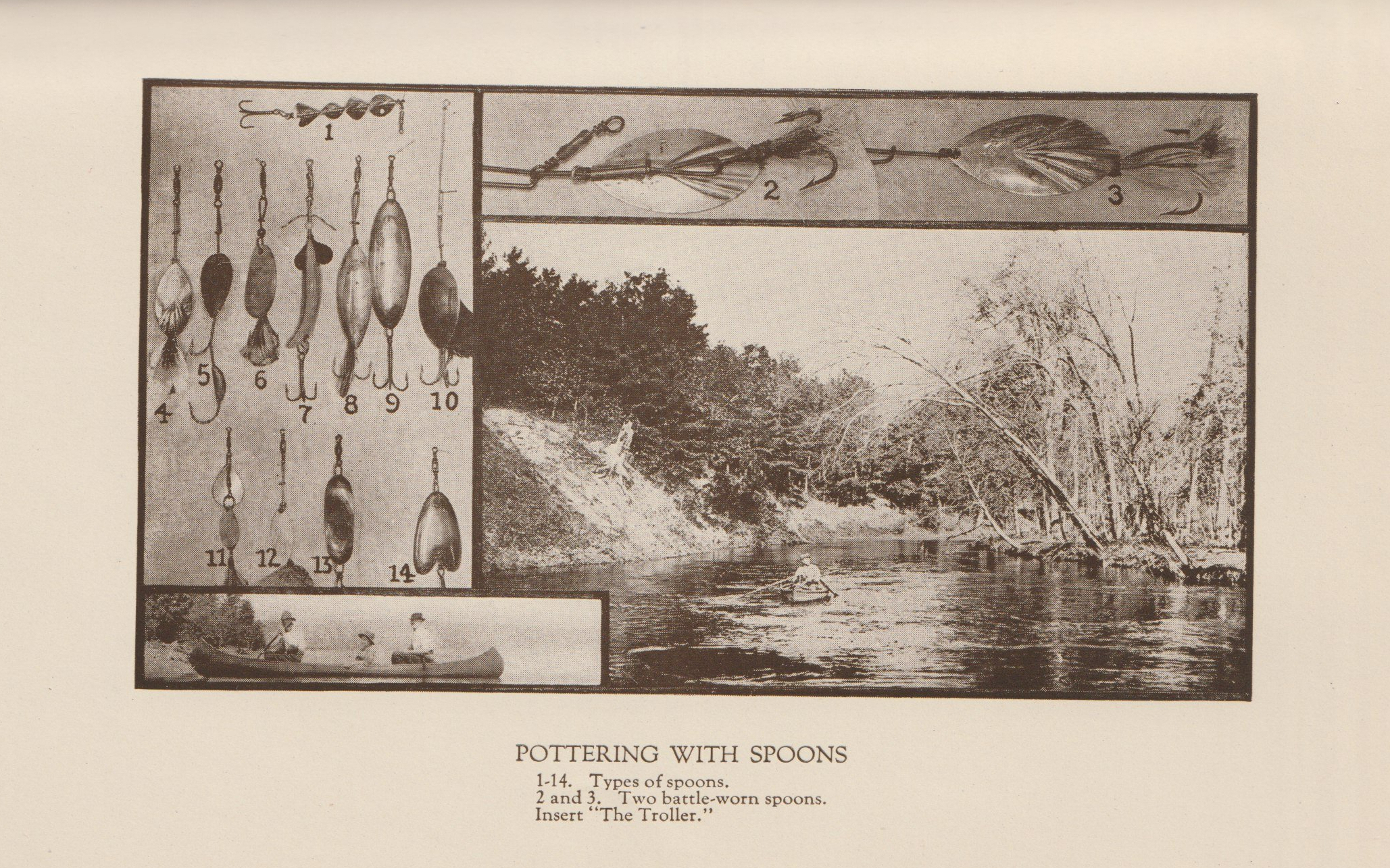
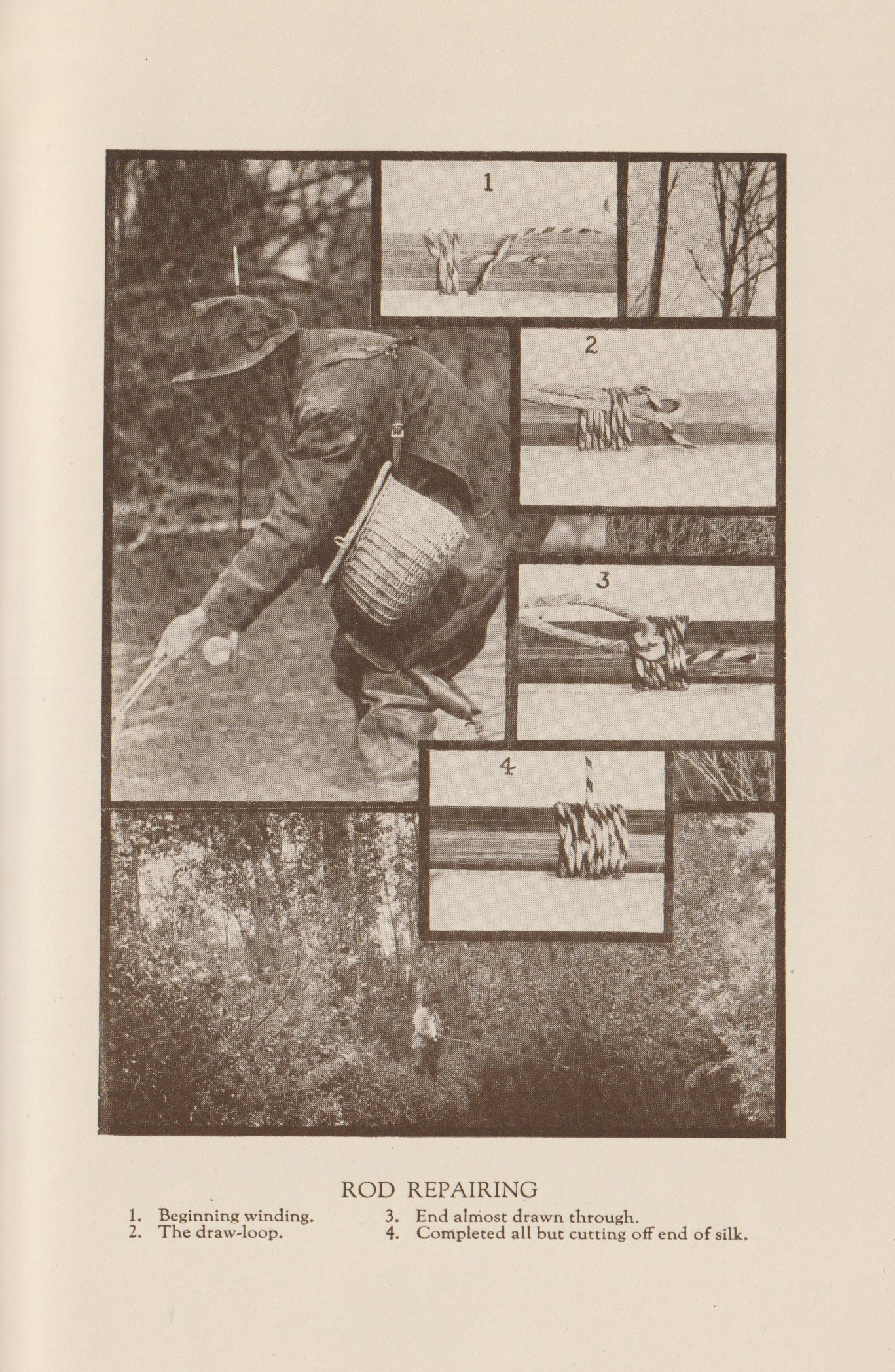
Onnie Smith’s chapter on lures – “Casting Lures” – is of interest to anyone who values or uses vintage baits. His chapters on “Housing the Tackle,” “Repair Kits and Methods,” “A First Lesson in Casting,” and “Landing Tools” are all beautifully written, with a keen eye towards both instructing and doing so with a writing style that is lively, conversational, peppered with personal anecdotes, and bordering on the philosophical. Here’s a lengthy excerpt from “Landing Tools” that is sure to bring a smile to your face:
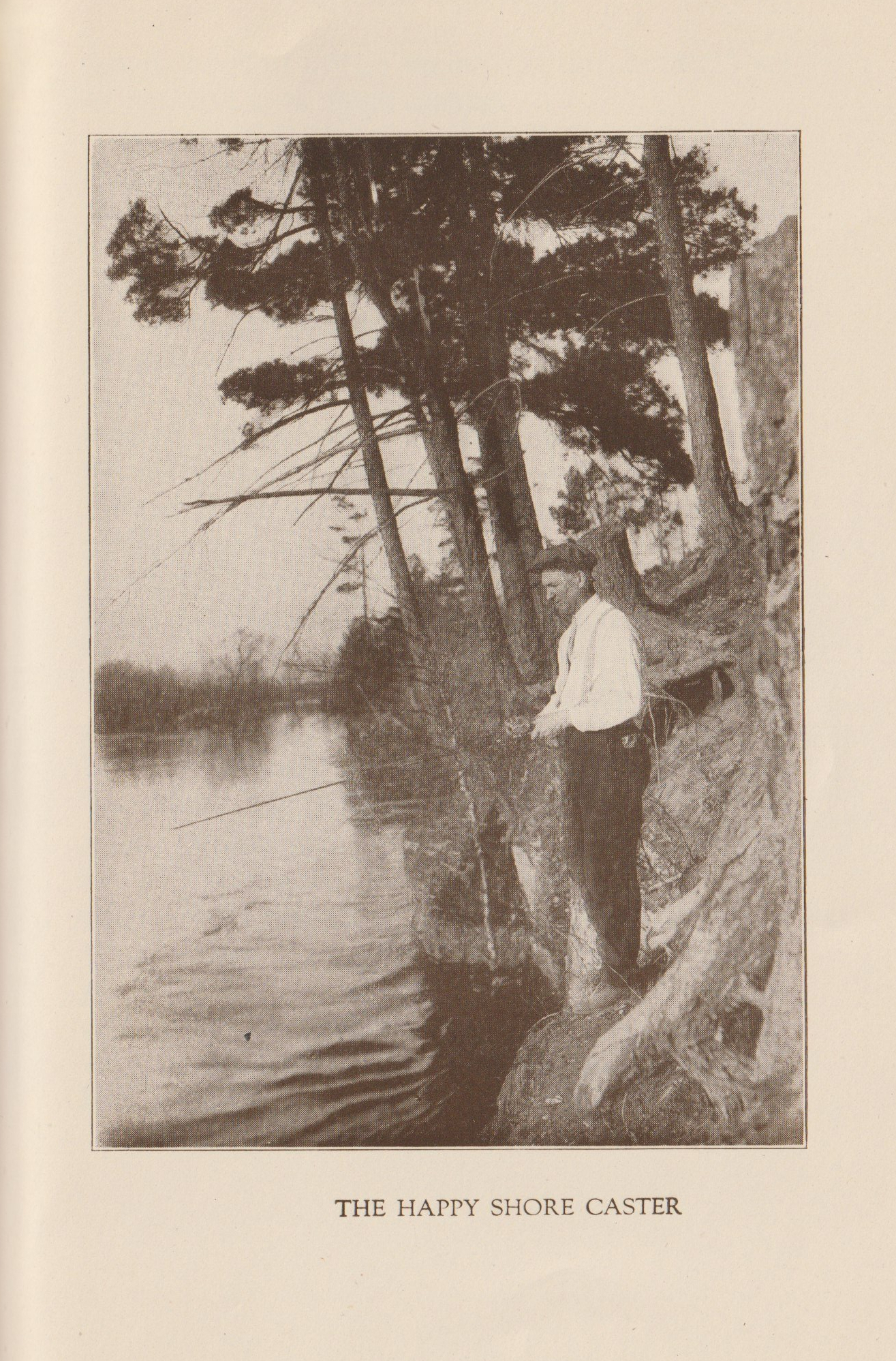
“That reminds me of an auspicious bit of angling bad luck of a few years ago. I was shore casting around a lake just fringed with down cedars, their white and menacing bones protruding from the shores ‘like quills upon a fretful porcupine.’ I could just manage to get around their ends without going in over the top of my waders. No bass enthusiast need be told that those cedar tops and sunken logs were appreciated by the bronze-backs. It was good fishing, also problematic fishing: every other bass snagged. Well, at the end of a particularly bad top I had a vicious rise, the bass knocking the floating lure high in the air. I cast a couple of times without result, then backed up and made my way around on shore. Perhaps an hour afterward I returned to the spot, waded quietly out to within casting distance and sent my lure hurtling through the air. It struck just where I wanted it to with a resounding splash. Again Mr. Bass rose, calculated the distance just right, and was on. Out into the lake he went, ripping the line through the water in a way to gratify my heart; turning, he came back with all the speed of an ice boat in a quartering wind. Then the unexpected and inexplicable happened; I lost control of the reel, my thumb played me false and my fish was under the white bones of a cedar. I could see him plainly, and realized that he was what I suspected, the record fish of the day. I desired him badly because I knew there was about as much chance for a rich man to enter Heaven as there was for him to enter my gaping creel. I tugged on the line but the fish would not stir. ‘Hooks solid in the log!’ I groaned. The bass began to struggle and I moaned, ‘He’ll tear loose and leave me solid!’ But no, the fish somehow got that multi-hooked lure back through under the long, up amid the out-reaching branches, following the same road along which he entered, and was out in the lake in open water once again. I put on the reverse immediately, churning water like a Mississippi River stern-wheeler, backed away from the menacing top and played and netted my fish. What was your question, Jim? “Did I ever tell you of losing a fish?’ Ah, those stories are not worth telling.”
There are so many instances of wonderfully written stories and anecdotes like that sprinkled throughout this book. And Smith is not shy about giving credit where credit is due. At one point in his discussion of casting technique, he says plainly that Heddon’s pamphlet on the subject is tough to improve upon. There’s a humility that I imagine just comes naturally to the angling preacher O.W. Smith.
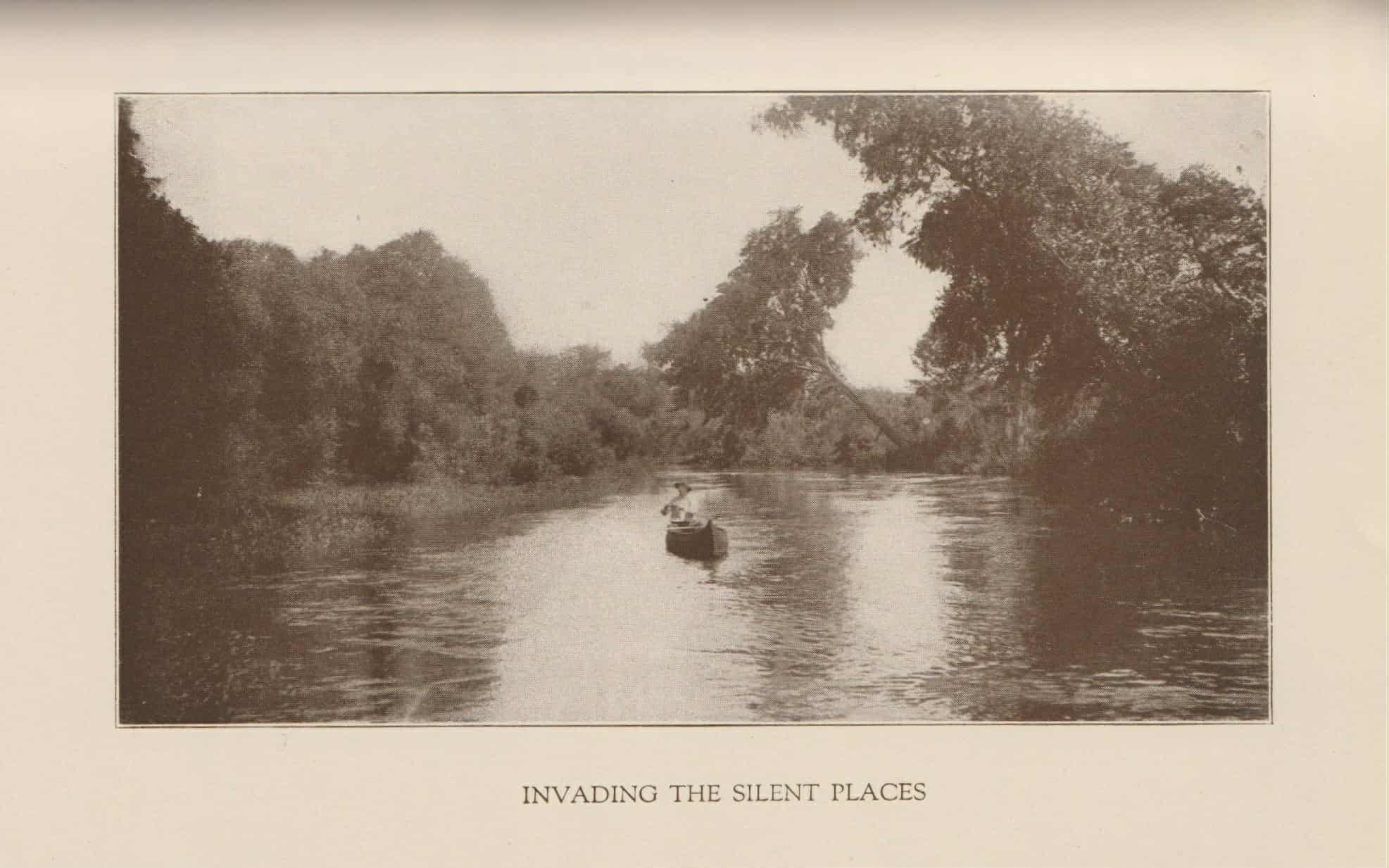
Smith is at his most poetic and philosophical in his final chapters on “Fishing a Wadeable Stream,” “Fishing a River from a Boat,” “Shore Casting,” “Casting After Dark,” and “Lake Casting from a Boat.” His joy at the act of fishing, the physical and mental components of fishing, is evident. He draws on his obviously well-read background, referencing Walton, Kipling, Milton, Henshall and others, including fishing companions. It makes for rich and rewarding reading, and if you’re looking for simple how-to’s (what gear, techniques, preferences, tips and tricks, to fish while walking a stream or fishing after sunset) you’ll get plenty of that too. This man knows what he’s talking about, and he delivers his bass angling wisdom in easily digestible and thoroughly explored and explained detail. Casting Tackle and Methods allows you to sit at the campfire with an old friend and great teacher, who knows a heckuva lot about fishing, and thoroughly enjoys sharing what he knows.