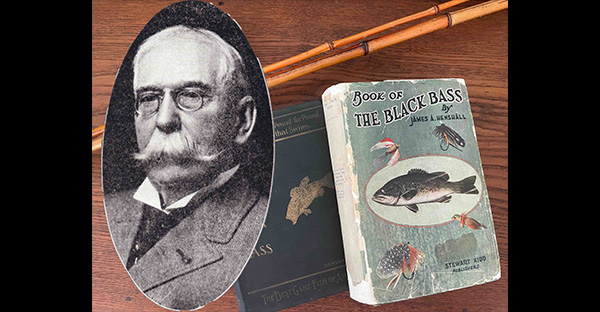
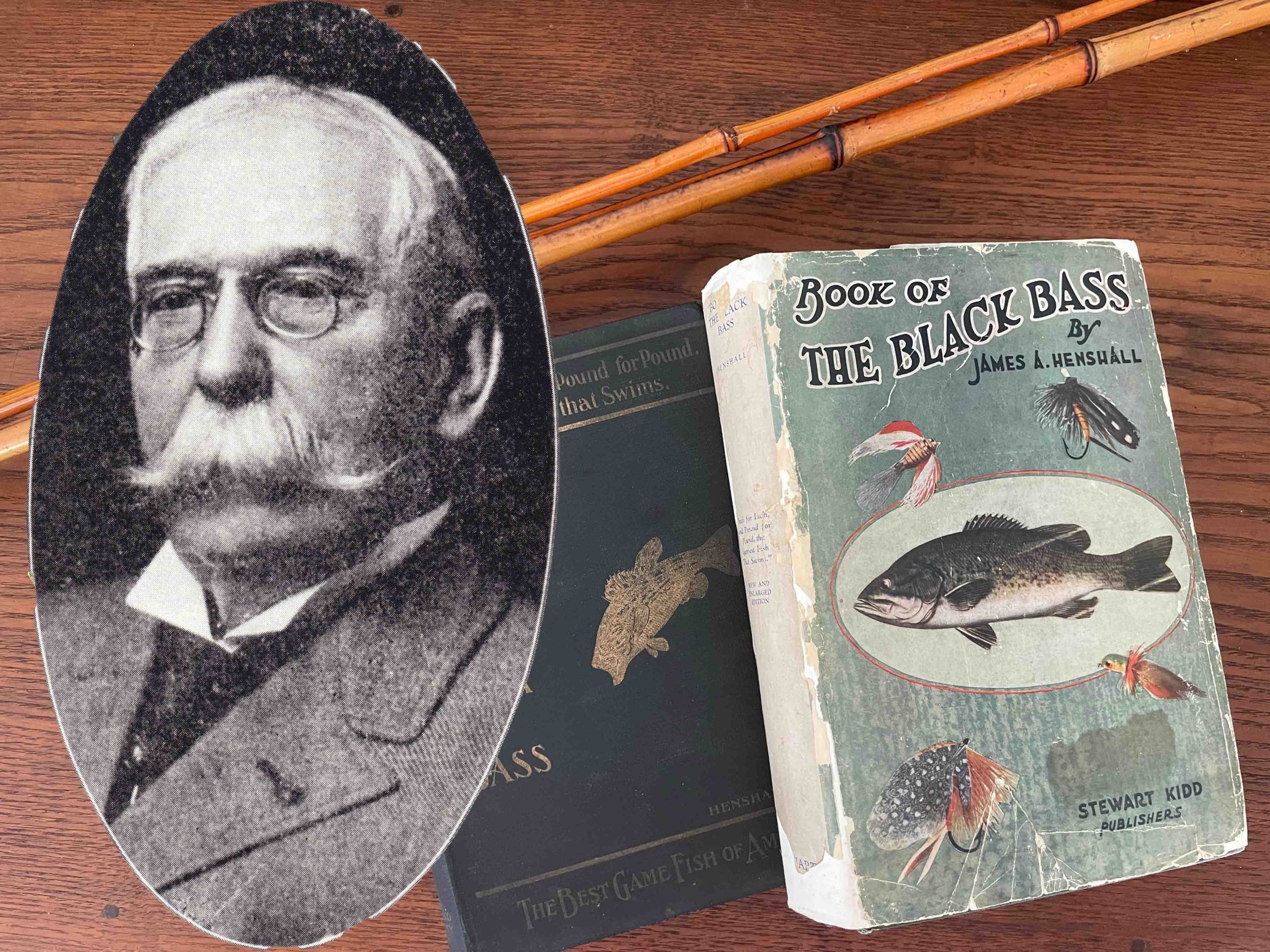
Today marks the 100th Anniversary of the death of the most important man in bass fishing, The Father of Bass, James A. Henshall, M.D. Since before his birth in February 1836 and since his death on April 4, 1925, there has been no other man who has contributed so much to the sport of bass fishing. This post, James A. Henshall – 100 Years Since, we’re going to go over his life’s accomplishments and by doing that, pay our respects to the man who made the black bass America’s number one game fish.
Born February 29, 1836 in Baltimore, Maryland, Henshall moved with his family to Cincinnati, Ohio at the age of 16. After a two-year stint as a proofreader and another job with a large mercantile company back in Maryland, in 1855, Henshall decided to go into medicine. It was on this trip from Baltimore to Cincinnati that sparked his interest in the black bass.
Henshall graduated medical school in 1859 as a surgeon and practiced the career through 1896, when he gave it up for government service as the Superintendent of Fisheries at Bozeman, Montana. Between 1855 and 1896, he juggled his career as a surgeon with his passion for fish and fishing.
Henshall caught his first fish at the age of seven. That experience locked in him a love for the piscatorial chase. His first experiences were with sunfish, chubs and whatever else might swim in the waters of his suburban Baltimore home. Then as he made his way back from Baltimore in 1855, his imagination was filled as he sat next to some gentlemen on the train who were excitedly talking about the black bass and its gameness. He’d never heard of the fish and upon landing back in Cincinnati, his number one goal was to catch one.
This goal would come true on Independence Day 1855 on the Miami River outside of Morrow, Ohio. He and his friend caught minnows for bait and within the first two casts, his friend hooked the first smallmouth bass Henshall had ever seen. He was amazed at the fish’s strength, endurance, cleverness, and ability to leap. This wasn’t a fish that gave up easily and it required skill of the angler to subdue. Henshall was instantly converted to the black bass.
During the Civil War, Henshall spent most of his time practicing his medical career in Kentucky. This allowed him to come in contact with the Kentucky watchmakers who invented the baitcasting reel. He spent time with these craftsmen but also spent time designing new rods specifically for fishing the black bass.
In 1865 Henshall moved to New York to help with a friend’s surgical practice. Here he spent his leisure time studying ichthyology, predominantly on the black bass.
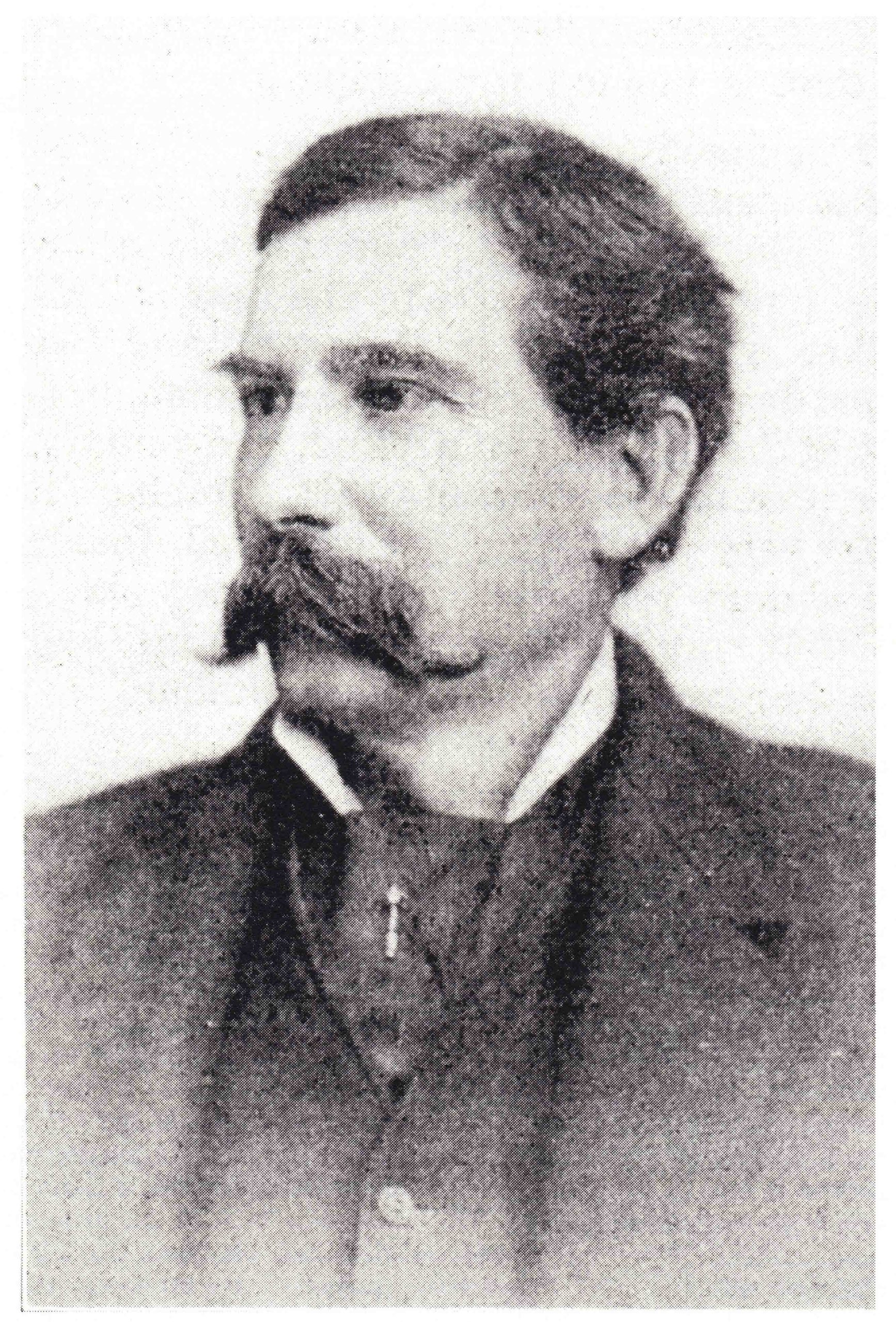
His studies of the black bass were the first of any American and in 1867 he moved to Milwaukee, Wisconsin, where he continued his studies as well as his medical practice. He then moved to the shores of Pewaukee Lake, near Oconomowoc, Wisconsin and built a home on the lake.
Here he built two small ponds that he used to rear black bass, becoming the first person to raise bass in captivity and study them. His field studies as well as his book studies then led him to start the manuscript of his famous book, Book of the Black Bass.

In 1873 he was approached by the editor of Forrest and Stream magazine and Henshall, under the pen name “Oconomowoc”, began writing articles about the black bass. These articles were to inform the angling public the best techniques and tackle to use in their quest for black bass but would also begin to elevate the black bass above the trout as America’s premier gamefish.
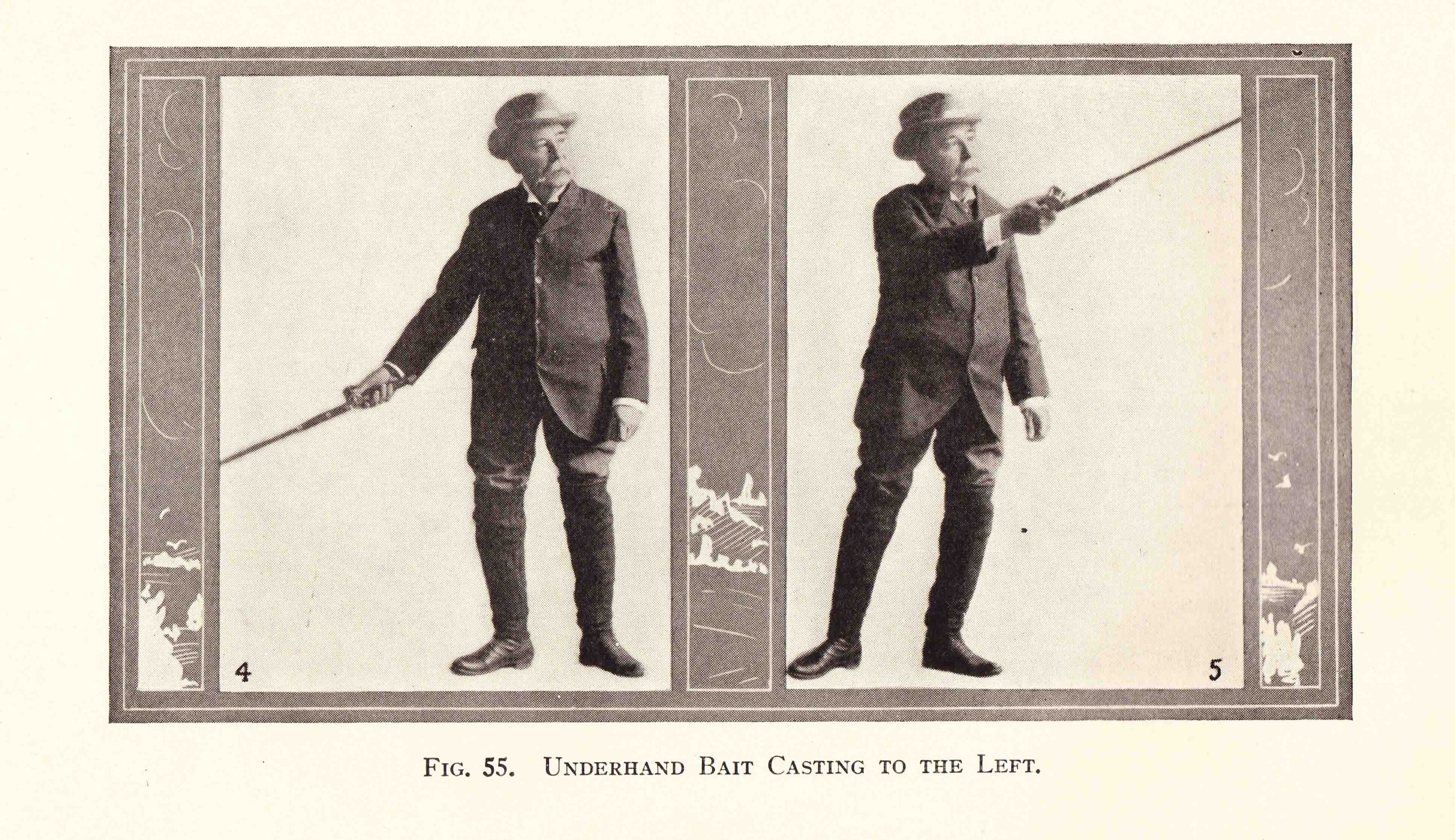
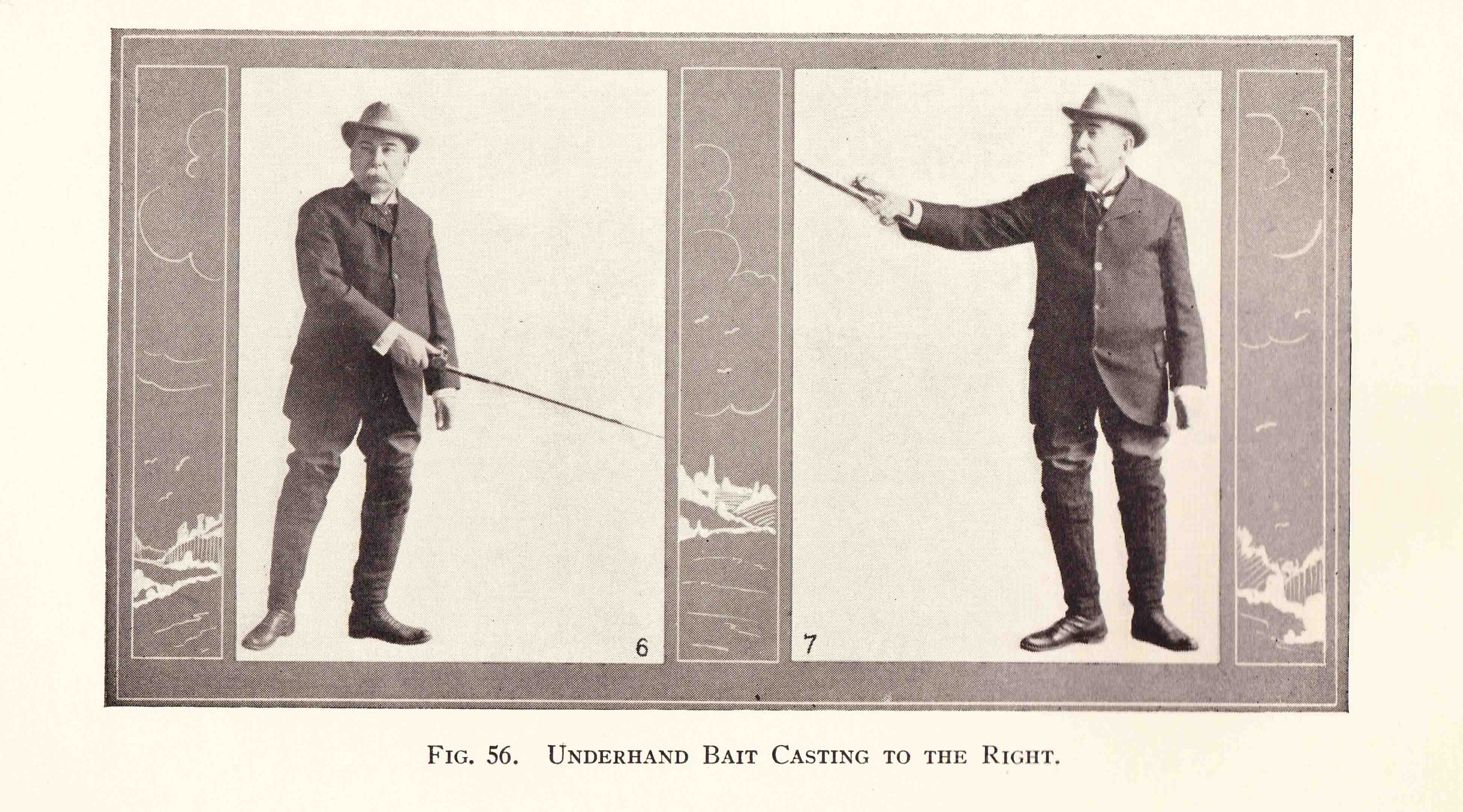
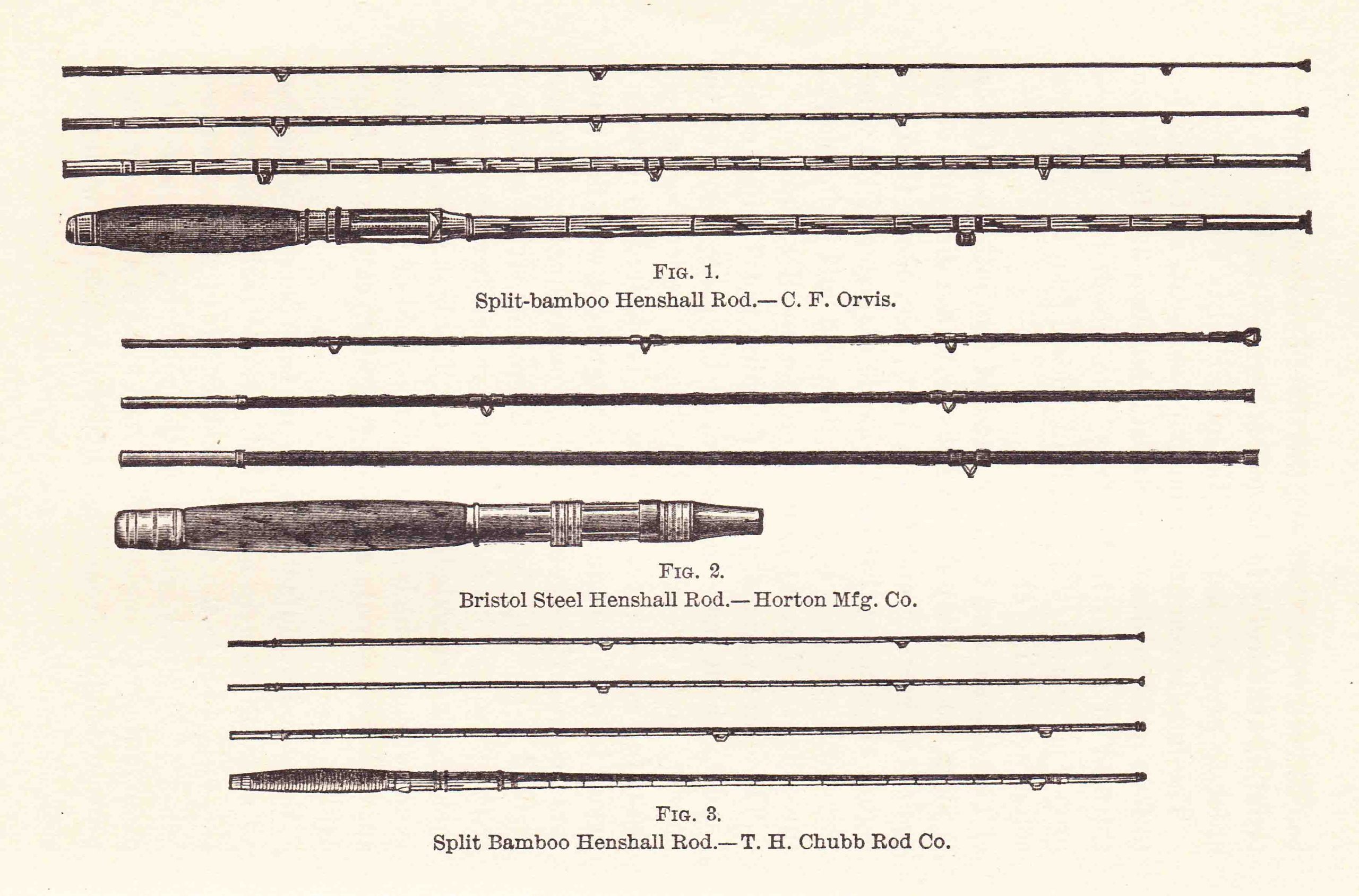
Henshall designed the first rod exclusively for bass, a wood rod that was 8-feet, 3-inches in length and much lighter than rods that were being used in the day. His rod was picked up by Charles Orvis and became such a hit, other tackle companies started producing it.
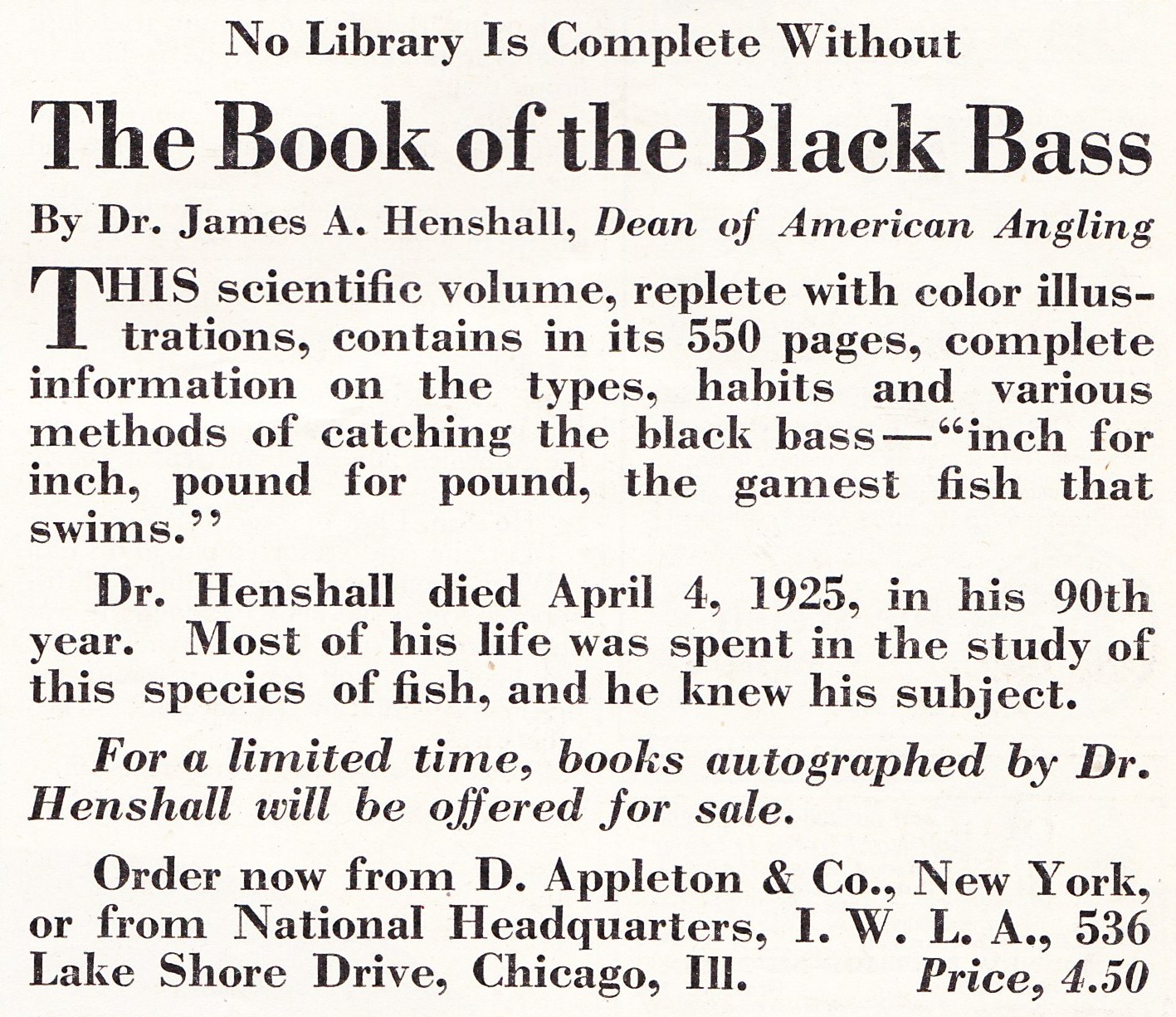
Then in 1881, his book was published and became the most complete book on the species to date. It would remain that way until 1947 when Jason Lucas would rewrite the rules of bass fishing in a more contemporary manner. Still, Henshall’s works with Book of the Black Bass and More on the Black Bass (published in 1889) are still considered the cornerstone of bass fishing as a sport.
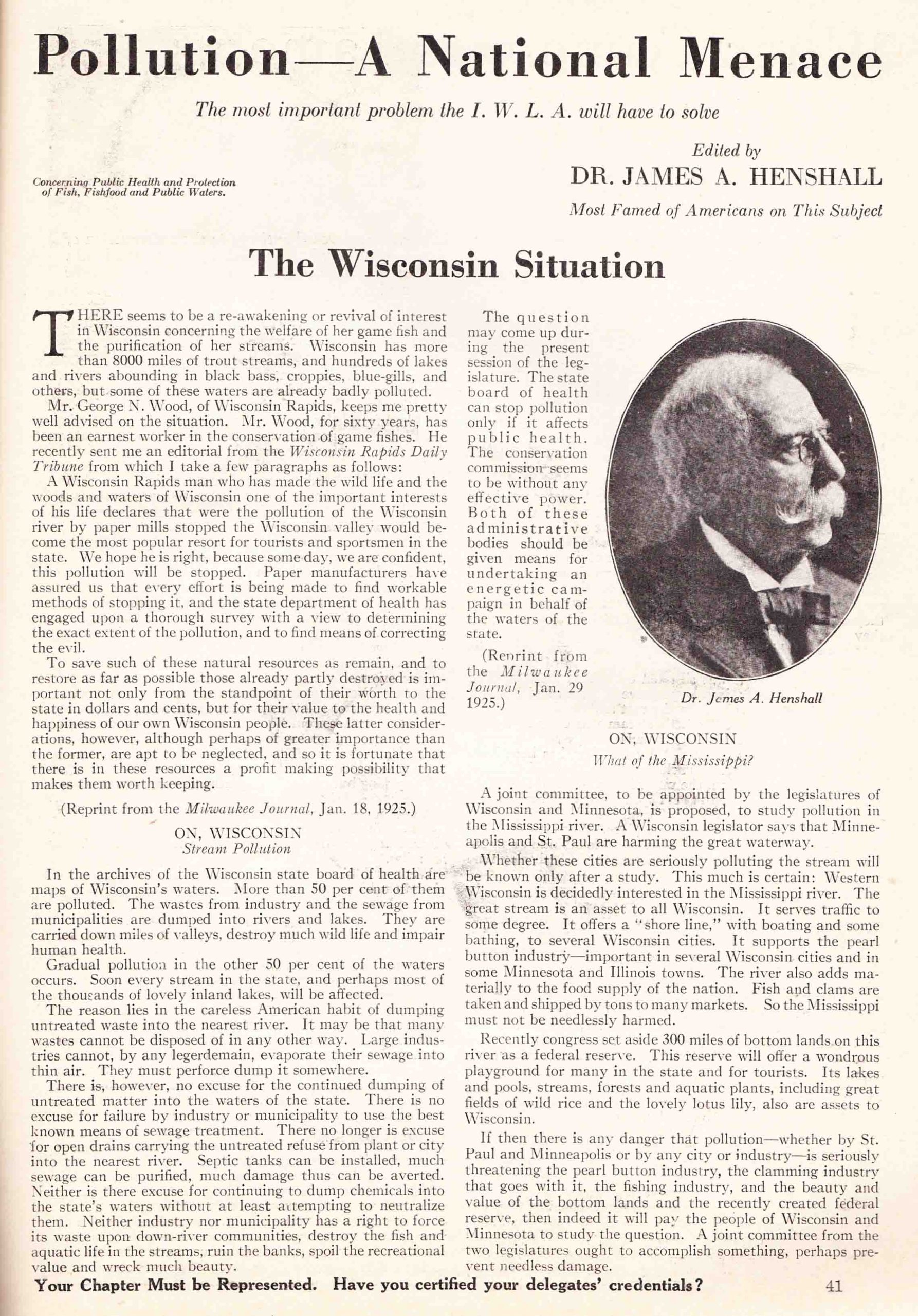
Henshall wasn’t just into bass as a sportfish, though. He was also an adamant conservationist fighting against water pollution and all things that would harm fish populations.
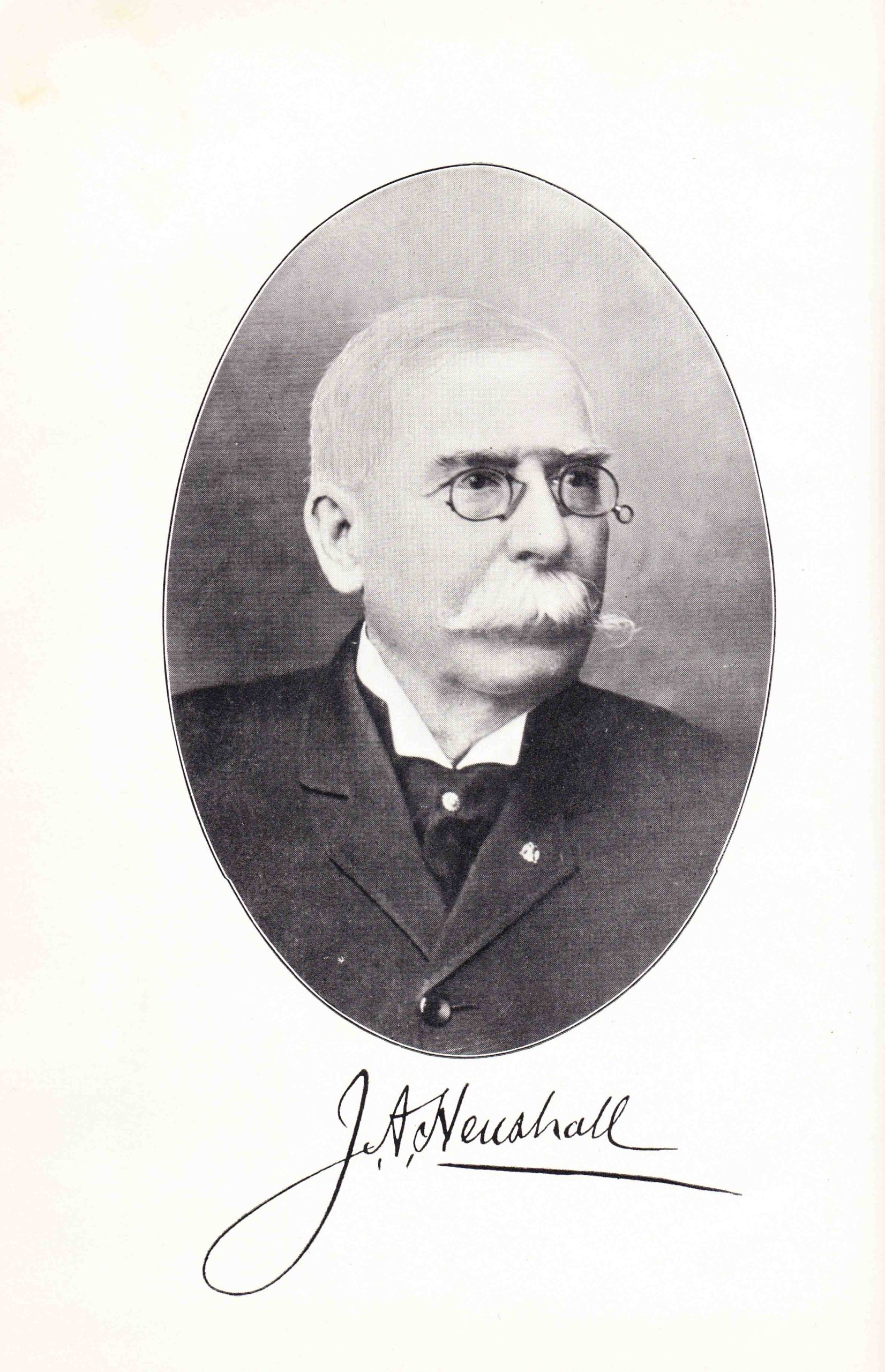
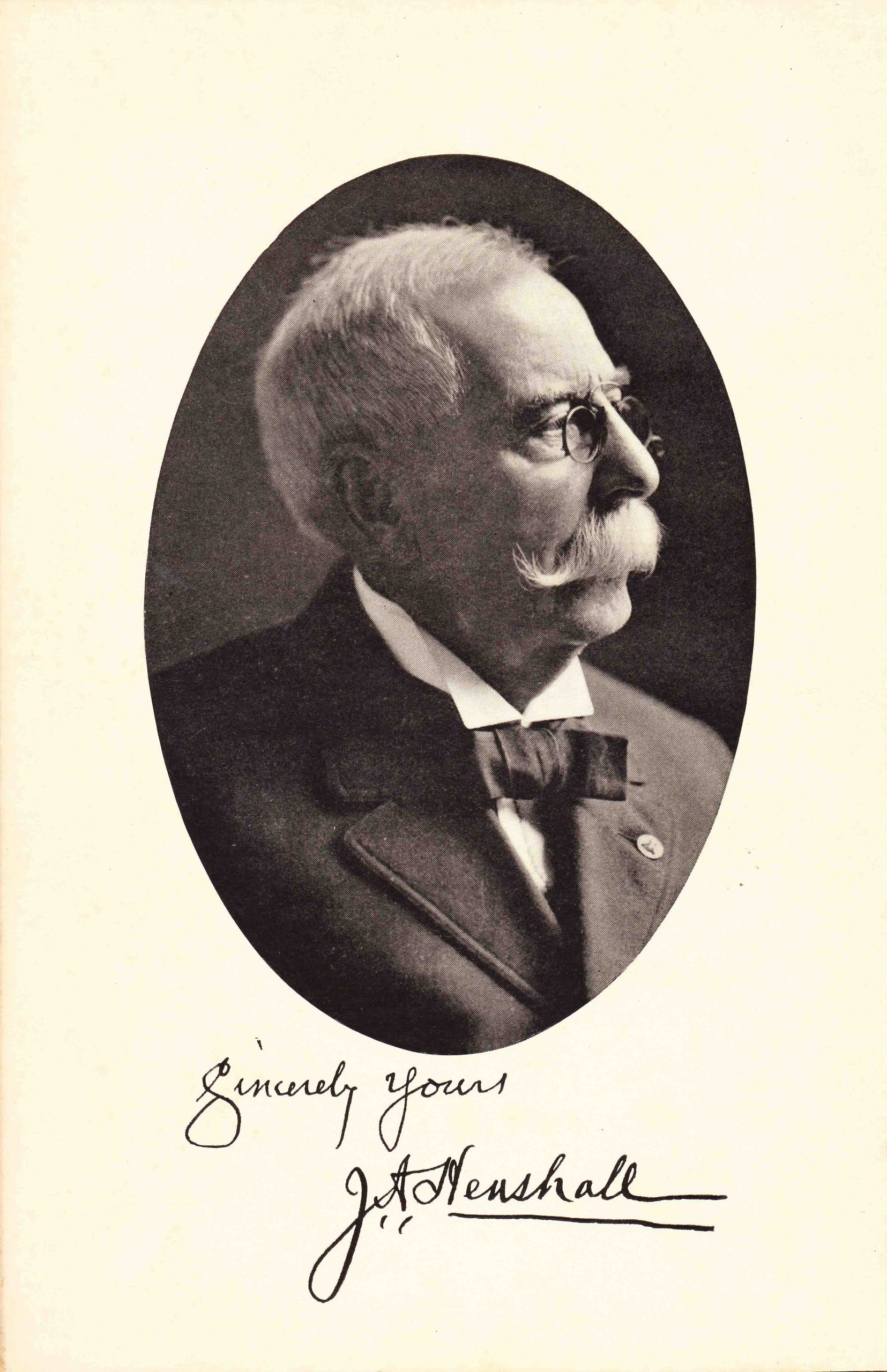
Over his life, Henshall was a prolific scientist becoming the most renown ichthyologist regarding the black bass, as well as a writer and author of no comparison, whether it be scientific articles or how-to articles on the black bass. He served from 1896 through 1909 as the Superintendent of Fisheries at the Montana State Fish Hatchery, becoming the first person to successfully raise, spawn, and transplant arctic grayling throughout Montana and other states.
Henshall also took over the Fishery department of the World Exposition, which he was responsible for the fisheries display worldwide from 1893 through 1904.
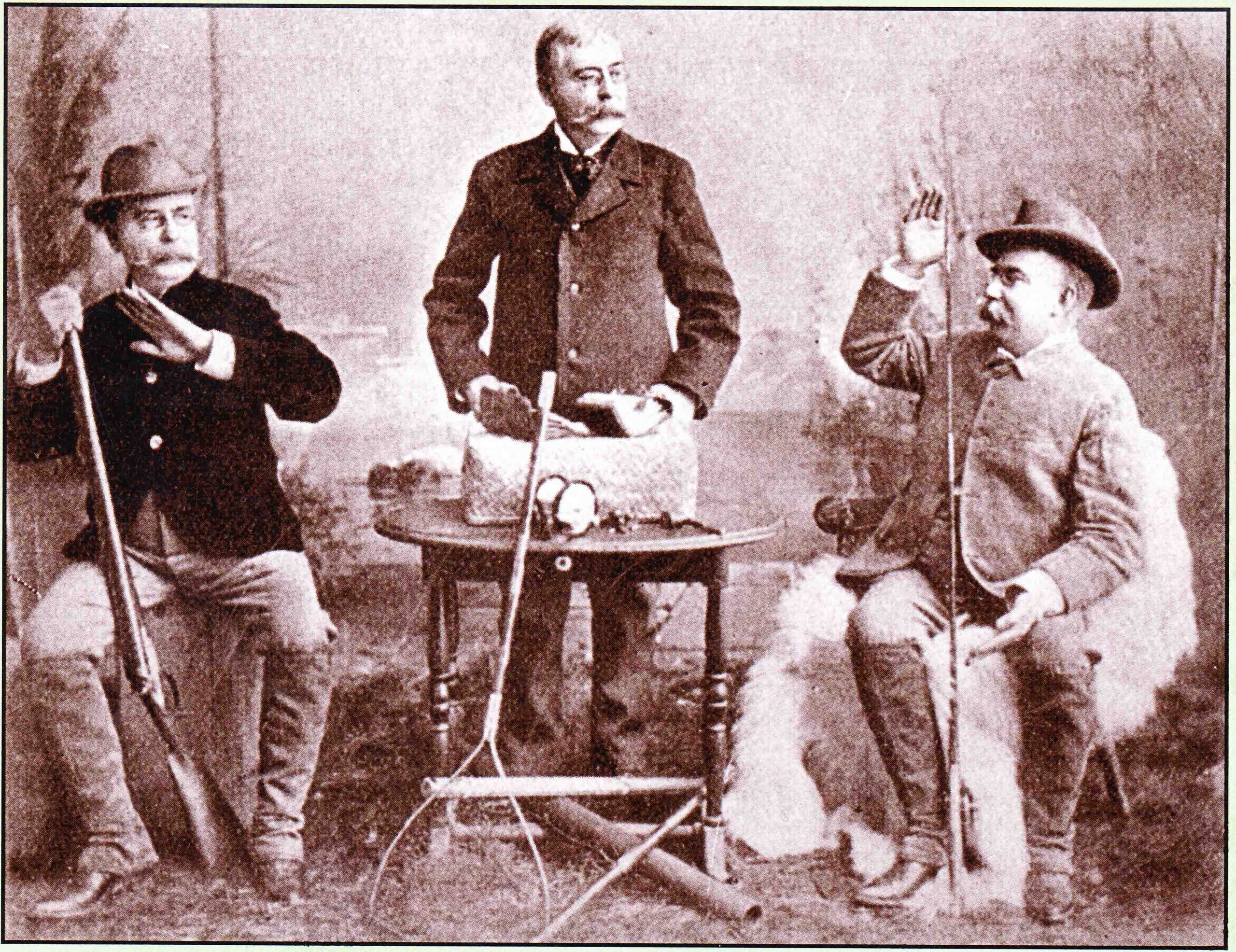
Henshall was a two-time president of the American Fisheries Society, Secretary of the Cincinnati Society of Natural History, President of the Montana Society of Natural Sciences, and Honorary National President of the Izaak Walton League of America.
Those were just some of his accolades over his life.
What was most remarkable, though, was his prediction that the black bass would take over the number one spot as America’s best game fish. He knew the building of dams would take away the cold-water sanctuaries of the trout, increasing the amount of warm water for the bass. He also knew that the cunningness and sportiness of the bass, compared to the trout, would be found and appreciated by anglers.
By the time of his death in 1925, he’d experienced a rapid growth in the number of bass anglers. By the 1950s, his prediction couldn’t be disputed. The black bass had become the number one gamefish in the United States.
Besides Book of the Black Bass and More on the Black Bass, Henshall wrote six other books mostly having to do with bass fishing or his fishing forays. His articles, including his autobiography, can be found in the old magazines such as Forrest & Stream, Field & Stream, Outdoor America the Magazine of the Izaak Walton League of America, and others.
Dr. James Alexander Henshall lived for the black bass and promoted it until his death. There has since been no other person who gave so much to our cherished black bass and sport as him. And today marks the day of the 100th anniversary of his death.
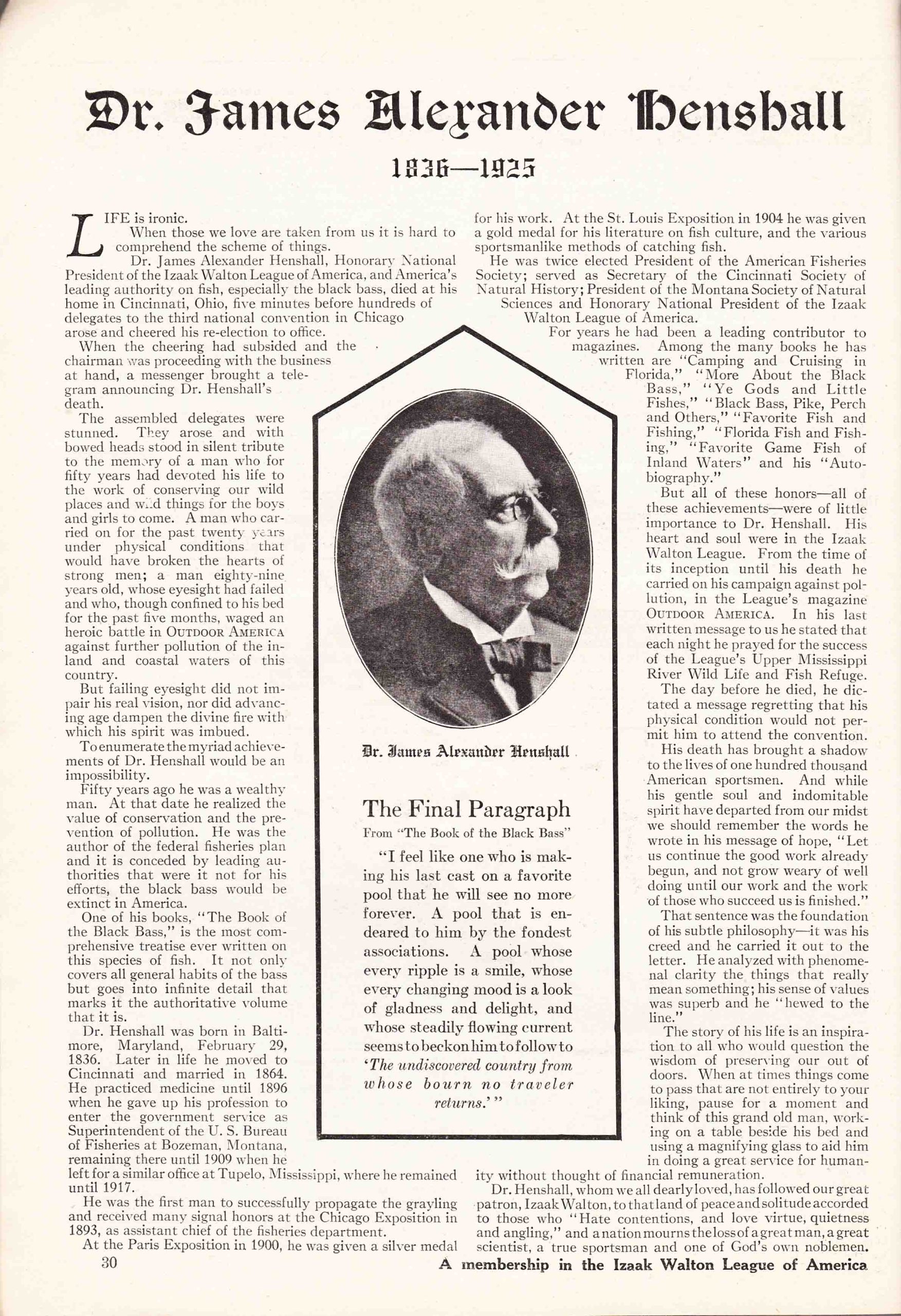
Below is the obituary of Dr. James Alexander Henshall as found in the pages of Outdoor America’s May 1925 issue. And below his obituary is one of Dr. Henshall’s last contributions to the magazine, also published in the May 1925 issue. Of course it’s on pollution.
For more on James A. Henshall, please click this link.



A great tribute to a great man. Well done, Terry. Our sport owes Dr. Henshall so much. Thank you for this incisive tribute. Amazing for his time how extensive and well traveled his career took him.
Thank you Mike. He was an amazing man and what he did for the sport of fishing should never be forgotten.
Wonderful article, and brilliant photos and illustrations. The photo of three Henshalls is so much fun! The obituary from America Outdoors is lovely and touching. Truly a great man, whose contributions went far beyond bass and bass fishing.
Thank you David. When I found the Obituary in a stack of old magazines I have, I knew I had to post it, and why not wait until his 100th anniversary. Such a great man and one people who bass fish need to know.