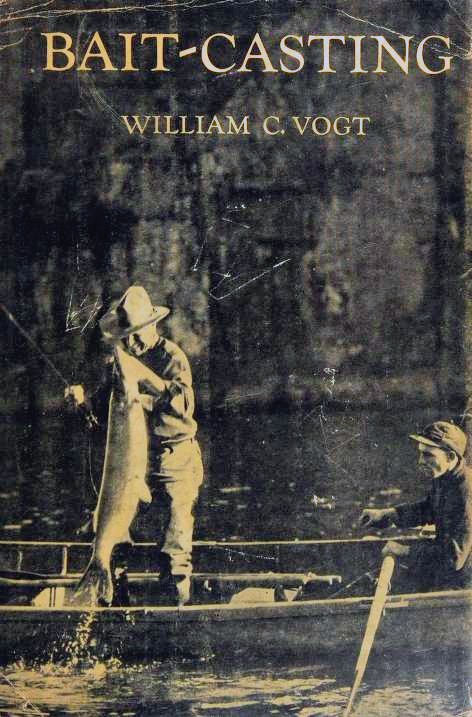
A few weeks ago I purchased a first edition copy of Bait-Casting by William C. Vogt, published in 1928. From the title I assumed it must be one of those early books on the mechanics and fundamentals of the art of baitcasting, and as such, I didn’t think it would really offer anything new in that regard. But I had seen a few of the interior pages, which included several photographs and a glowing introduction by Robert Page Lincoln. Lincoln was effusive in his praise of Vogt as an angler, writing, “If there are fish in a water, Vogt will get them somehow or another in a manner that will surprise you. With flies and artificial lures in general he is a master, and his exhibitions and advice are not only scientifically correct, but lead one to overcome obstacles under his guidance, that otherwise would seem impossible of circumvention.” Thus I judged Bait-Casting to be a worthwhile addition to my early 20th century fishing library.
I think it does indeed merit inclusion in any historically-minded angler’s library, but not necessarily for the reasons one might assume. It’s an odd book, one that is hard to summarize and that seems almost random in its content and organization. But it does have some strengths that recommend it.
Unfortunately, the book I purchased was in somewhat rough shape upon arrival, with the front cover detached. But one of the first things I was pleased to notice upon opening the book was a personal inscription from Vogt to a friend. Written in the characteristic irregular line of a fountain pen, the note reads, “To my thoughtful and helpful friend John Beach Tillotson – A lover of truth and the great outdoors – With my best wishes from his friend, Sincerely, WCVogt – The Author.” This handwritten note compelled me to keep and eventually repair the damaged book. As a side note, the Tillotson’s were a prominent family in Owosso, Michigan.
Every old fishing book seems to have its charms peculiar to its authors and Bait-Casting is no different. Some things are predictable, some things surprising. To my eyes two things stood out in Vogt’s book: one, an abundance of black-and-white photographs that covered the spectrum from instructional to compelling, and from artistic to inspiring. And two, a litany of allegedly common superstitions and assumptions concerning fish behavior that were popularly believed 100 years ago. More on that shortly.
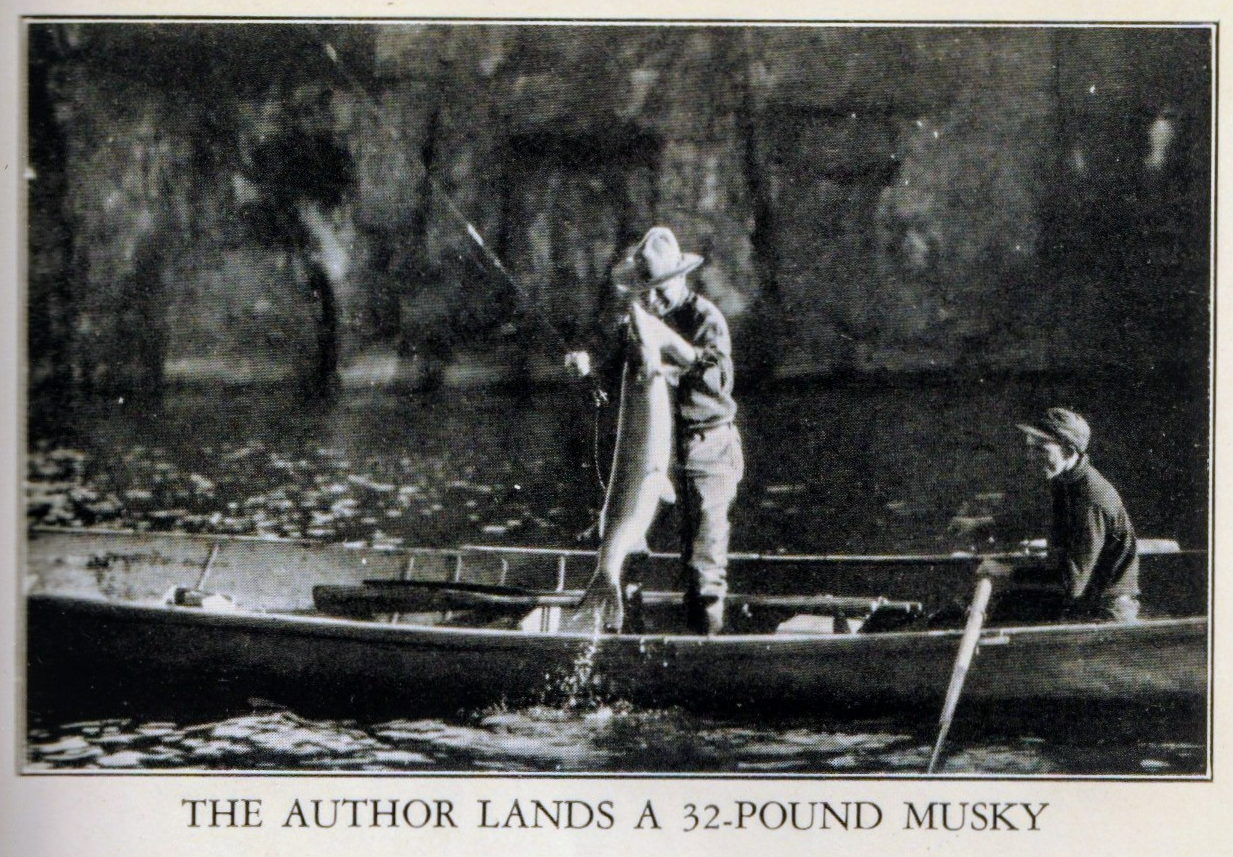
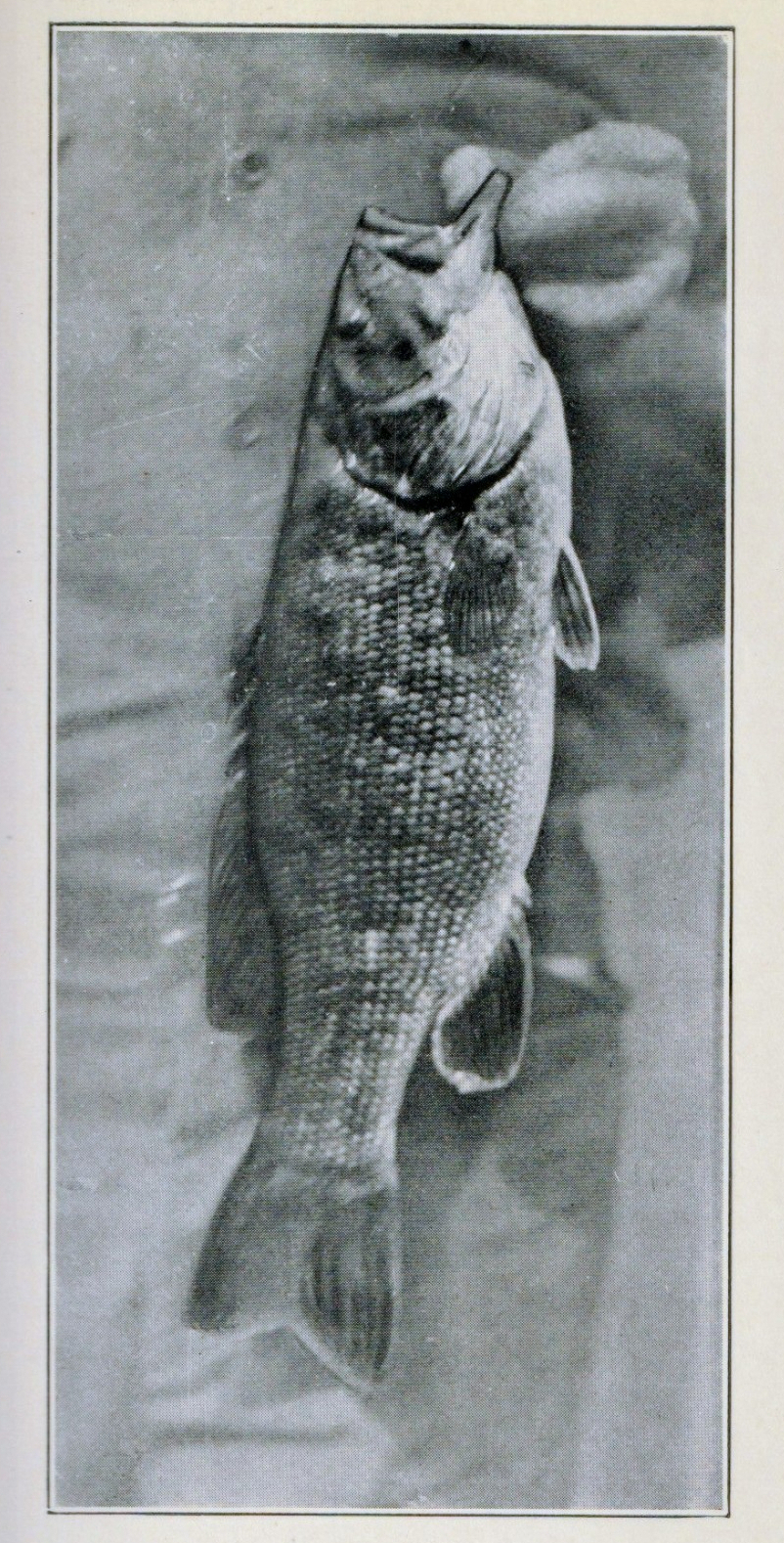
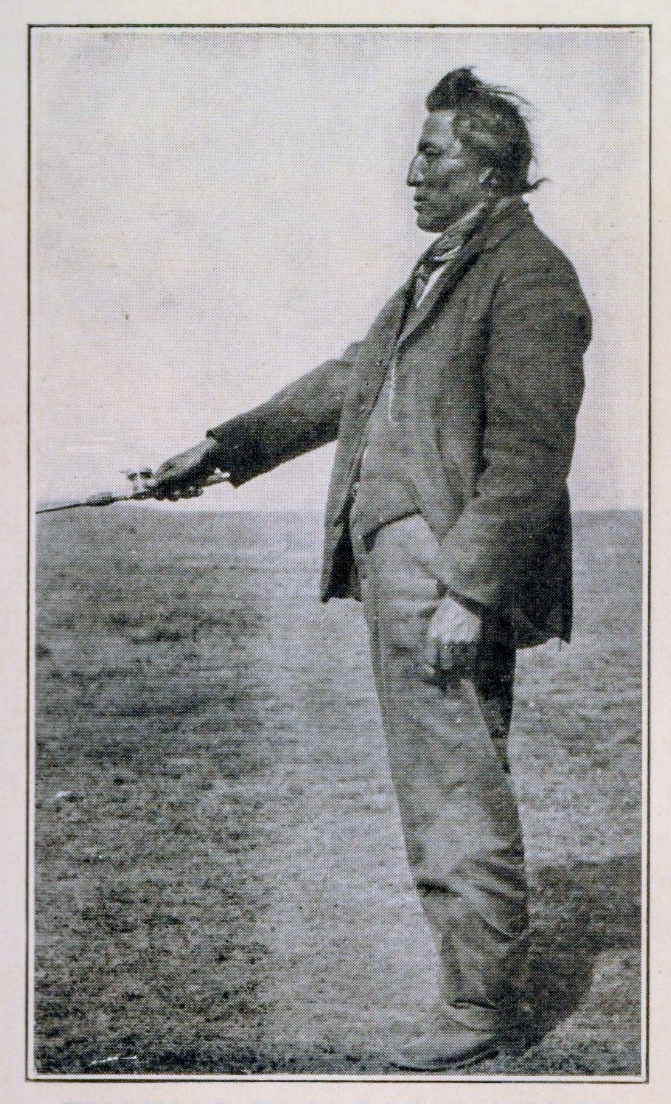
Thus far I have been able to find only scant biographical information of Vogt, with one 1928 newspaper story recounting,
“Vogt can thank an unspeakable stepfather for his fishing genius. Reared in a backwoods log cabin, he was compelled to seek his rest on a corn-husk mattress laid in a frame of rough planks in the attic, where owls and other wild creatures used to roost. Often he awoke to find himself covered with snow, when he had to take refuge under the fodder of the cattle bin to save himself from freezing to death. At times, to ward off starvation, he ate raw corn from the stable feedbox.”
“Fleeing from the bondage, he faced the world with only a knowledge of the fourth reader and a thumbed Bible. Though tall, he weighed only 119 pounds, so he knew that if he were to live he would have to build up his emaciated and outraged body. Accordingly, for years he roughed it up and down North America. He climbed Mount Shasta, more than 14,000 feet high; hiked 3,600 miles through Pacific Coast States and drove a team of horses over 9,000 miles of Adirondack trails. He sweated in lumber camps, worked with Mexican pick-and-shovel outfits for $2 a long day, toiled in an Arizona copper mine 1,300 feet underground, herded goats, pitched hay at $1.10 for an eleven-hour shift and tackled many other back-breaking labors.”
“Between times he ever was trying to perfect himself in angling. If water was unavailable, he substituted a practice plug for a hook and practiced in fields and woods, snaring squirrels, chipmunks, and other wild animals. In one season alone he wore out seventy new lines. Often the lines cut his hands so badly as to necessitate bandaging, yet he stuck to his passion. Today, as the fruits of these experiences, his huge frame boasts 195 pounds and powerful, supple muscles. And scarcely any man can hope to outgame him with a rod.” (The Baltimore Sun, Baltimore, Maryland, Sunday, May 27, 1928)
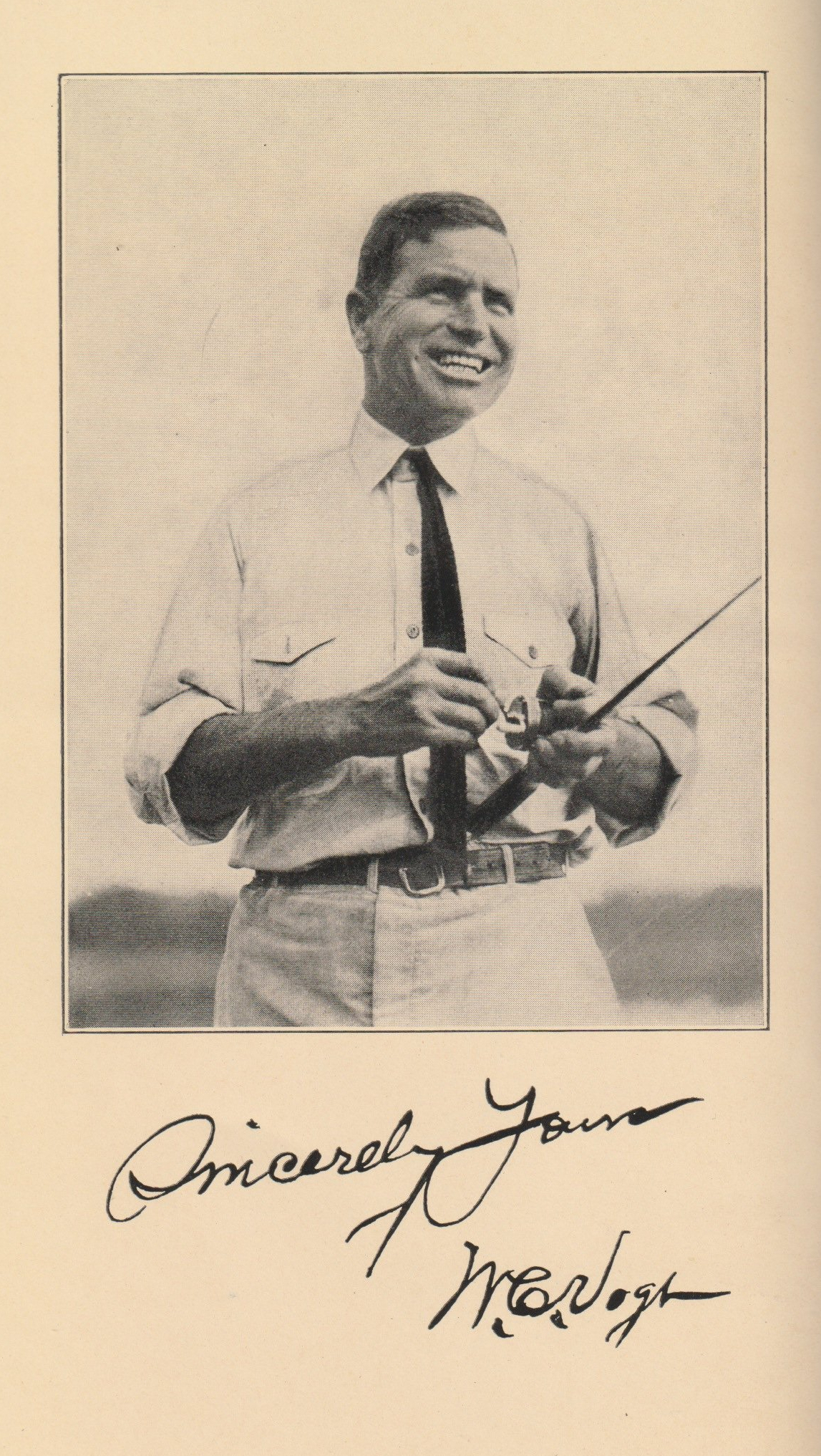
A January 9, 1935 story in The Times-Union out of New York also mentioned that Vogt, “floated 150 miles down the St. Croix River in Wisconsin on a home-made raft. Besides that, he’s been a cowboy in the Southwest and a guide in the northwest.”
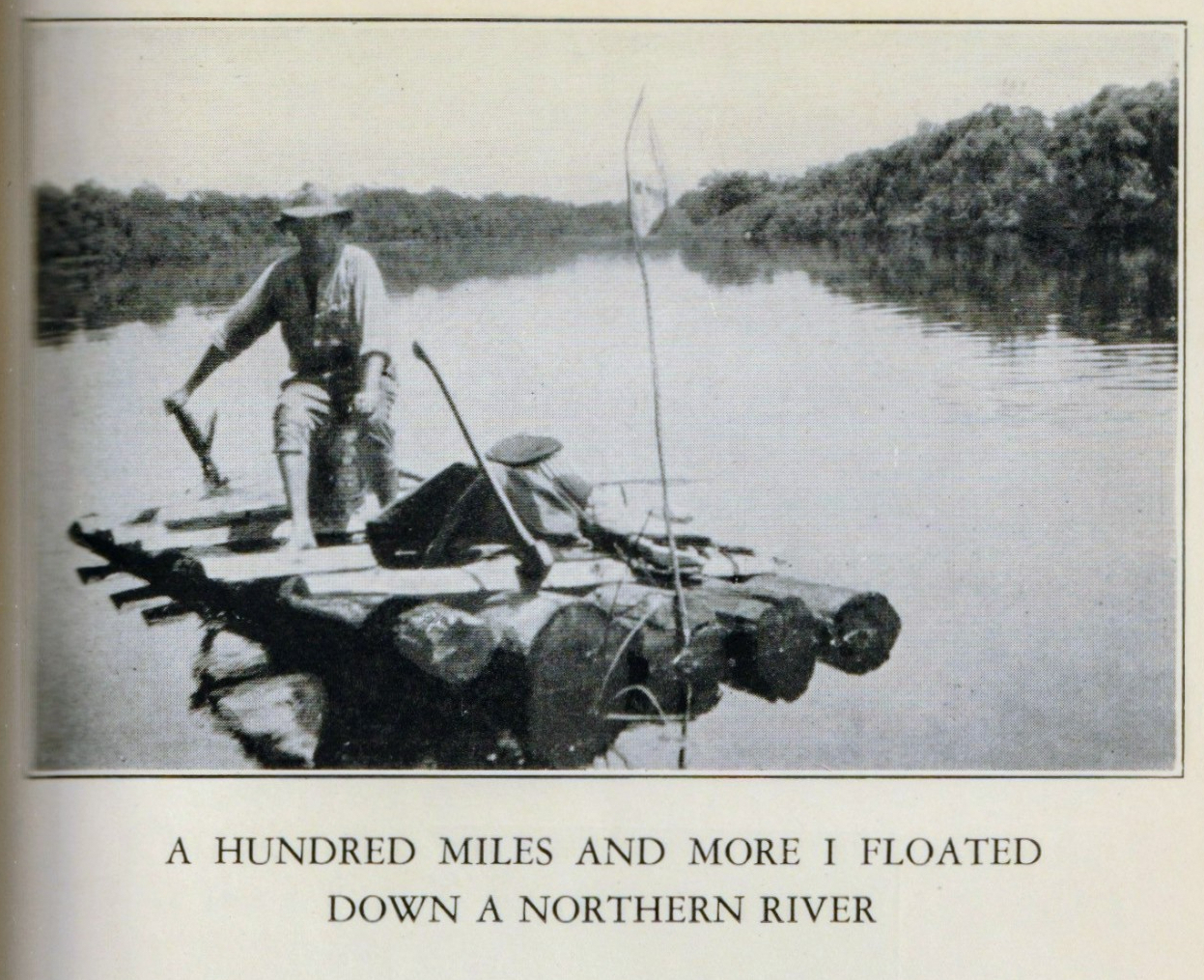
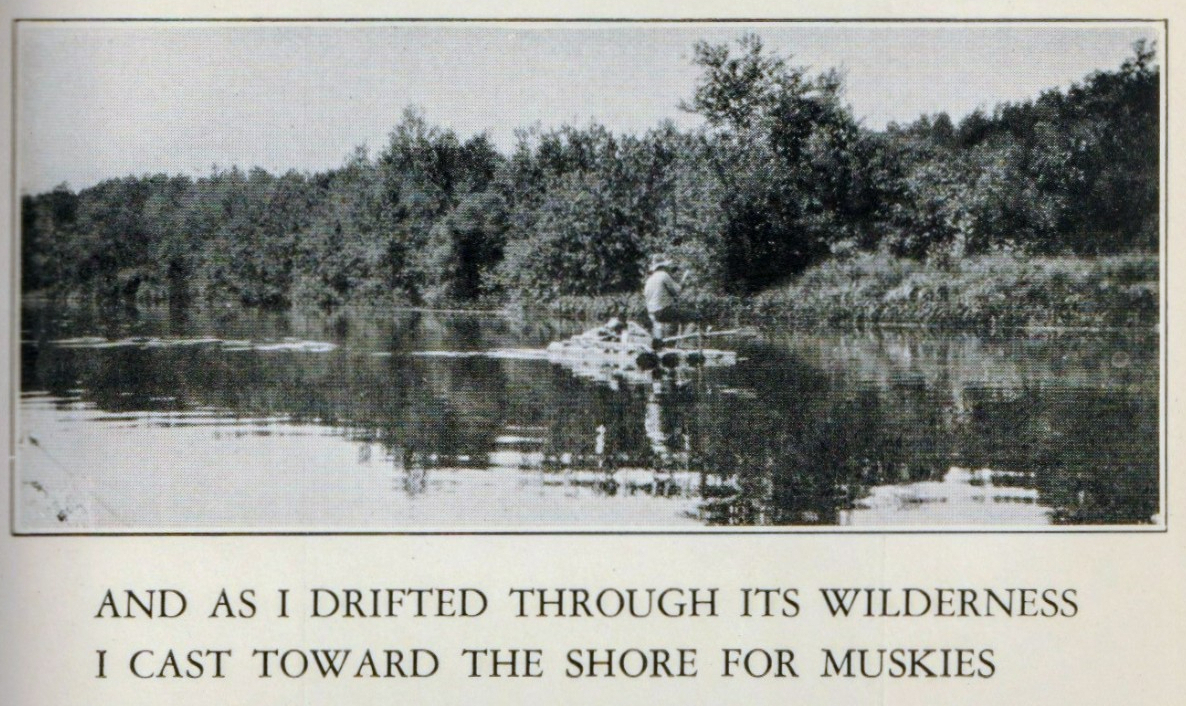
If my math is right, Vogt would have been born sometime in 1876. One of his few obituaries indicated that his boyhood home was in Payne, Ohio, but that he had a home in Millerton, New York at the time of his death. He worked as a sales rep for James Heddon’s Sons in Dowagiac, Michigan, in the early 1900s, and it was in a Dowagiac hospital that Vogt ultimately passed away after being a patient for two weeks. According to the obituary he had been in ill health since the previous summer. The article also stated that he lectured and showed films on mountain climbing “to large audiences all over the United States.” He was a member of the First Church of Christ Scientist and was interred in Riverside Cemetery in Dowagiac, although I have so far been unable to find a grave reference online.
I called the city of Dowagiac and spoke with Emily in the parks and cemetery department. Emily immediately found Vogt’s entry in the system and his death certificate. Unfortunately, there wasn’t a lot more information in the file. Vogt had been in the hospital in Dowagiac from December 21 to January 3, when he passed away. She did read the death certificate to me and it indicated that Vogt had been suffering from acute intestinal carcinoma. But again, no birth date was listed. Vogt was buried in a section of the cemetery for persons unclaimed or with no family. He was listed as single, with no wife and no children.
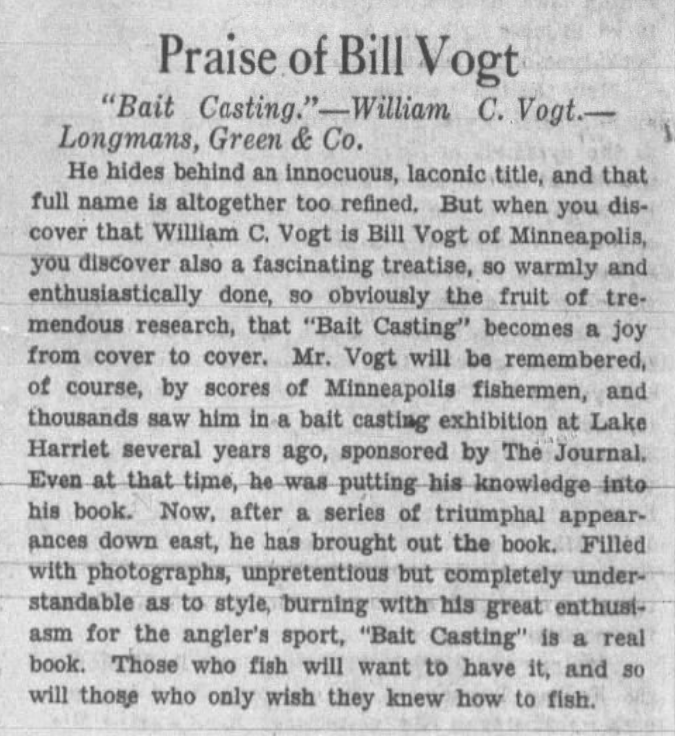
The most touching obituary I came across was found in the January 12, 1937, edition of the Evening Star out of Washington, District of Columbia. It read,
“It is with deep regret that we report the death the other day at Dowagiac, Mich., of Bill Vogt, master fisherman. Author, naturalist, bird lover and bait and fly caster extraordinary, Bill Vogt was a picturesque character whose entertaining humor and good fellowship won him a host of friends everywhere.”
“He was an exponent of light tackle, and continually preached the gospel of the out-of-doors.”
“His mastery of the light rod made him one of the greatest bait and fly casters in America and he was a frequent performer at sportsmen’s shows, exhibitions and casting contests. He caught everything up to tarpon and other salt-water game species on the regulation trout rod, and his accuracy with a bait-casting rod was uncanny. He will be missed.”
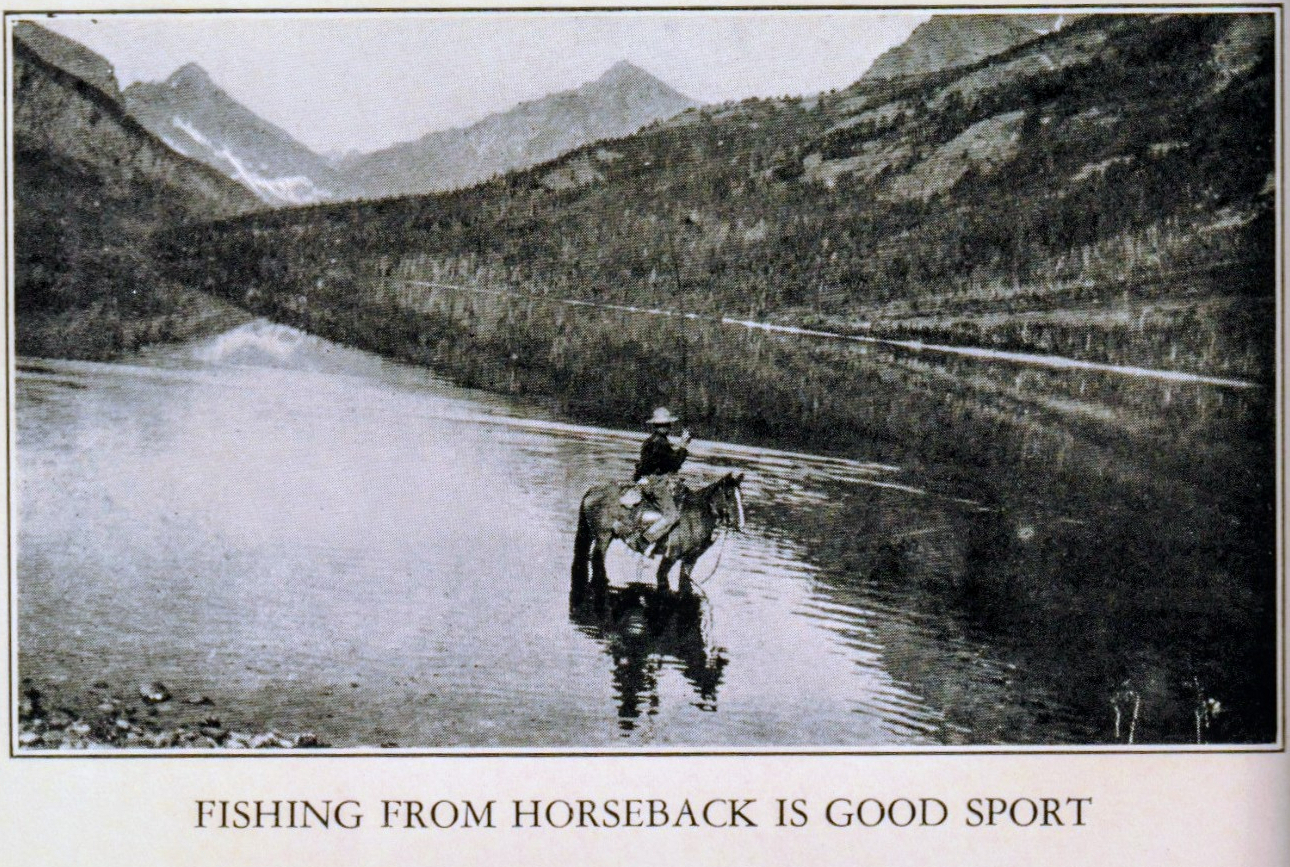
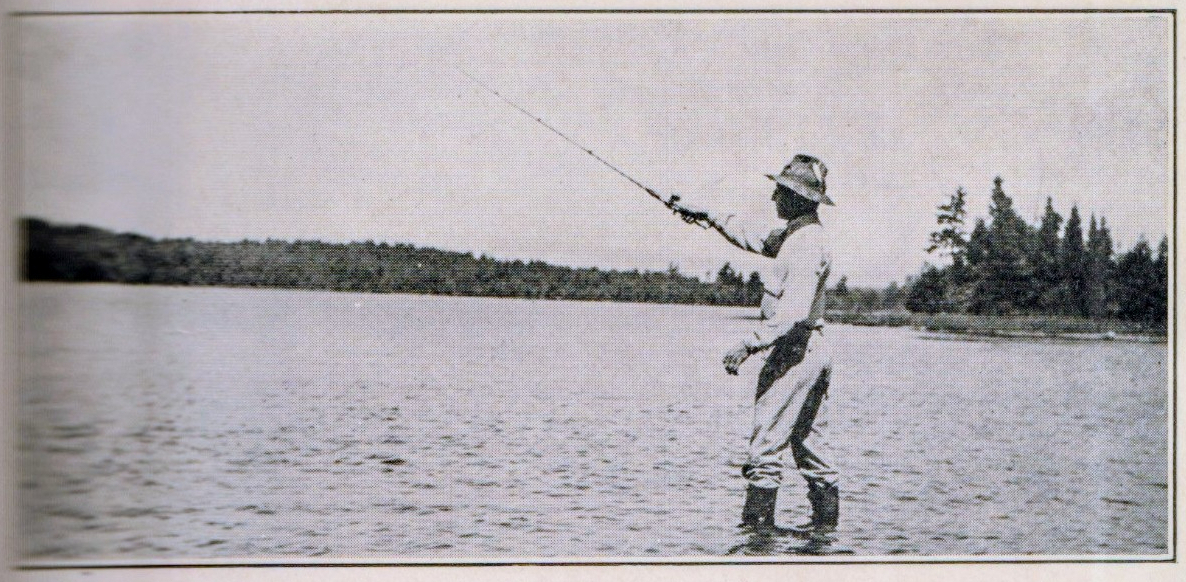
Vogt’s casting skill with a fishing rod was literally awesome and bordered on unbelievable. Standing 75-80 feet from his target he could flick the ashes off a cigarette held in a man’s lips; pull a smoking pipe from a man’s mouth at the same distance by wrapping his line around the stem; wrap a 5-treble hooked lure around a volunteer’s bare arm several times and, like a yo-yo, unwrap it from distance without scratching the arm with a hook; snag or lasso flying ducks and other animals such as squirrels, chipmunks, woodchucks, muskrats and more with both fly and baitcasting gear and release them unharmed. He could also have spectators throw rocks far into the water or shoot into the water with a .22 and Vogt would immediately hit the center or near center of the circle of ripples with a lure or fly before the ripples disappeared. Another favorite performance involved tying the end of his 12-pound test fly line to a strong swimmer’s midsection or the end of a boat or canoe with one or two men rowing or paddling, and then “landing” the swimmer or the boat in spite of the strength of the opposing oarsmen or swimmer. This feat took upwards of 20 minutes.
One news story explained, “While performing it, Vogt’s rod bends seemingly beyond the breaking point and his reel is so skillfully handled that his method cannot be explained in detail. The secret of his success seems to be his ability to reel and unreel line with such skill that the pulling power is unable at any time to stretch the line to its breaking point. In other words, if the pulling power moves ten inches, eleven inches of line is fed out, and this method is continued indefinitely no matter what the movements of the pulling power may be.” (The Box Elder Valley Press, Jan. 3, 1919)
As such, Vogt, who’s favorite fish to catch was the smallmouth bass, was able to hook and land tarpon and big musky on standard trout fishing gear. But beyond trick casting feats, Vogt was also a champion distance caster with both fly rod and baitcaster. Apparently he was more than an expert caster, he was also quite the showman, exhibiting his casting prowess in front of hundreds of thousands of people, with upwards of 10,000 at a time.
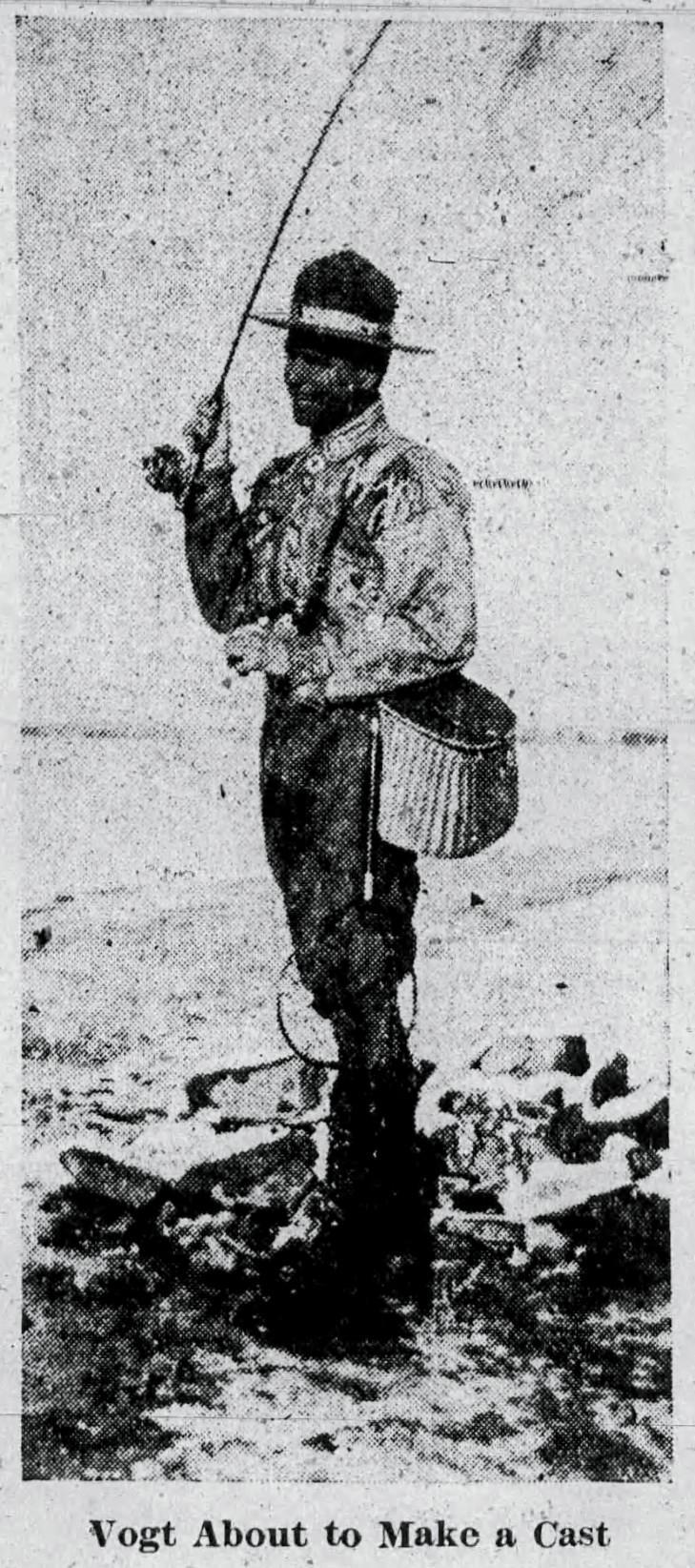
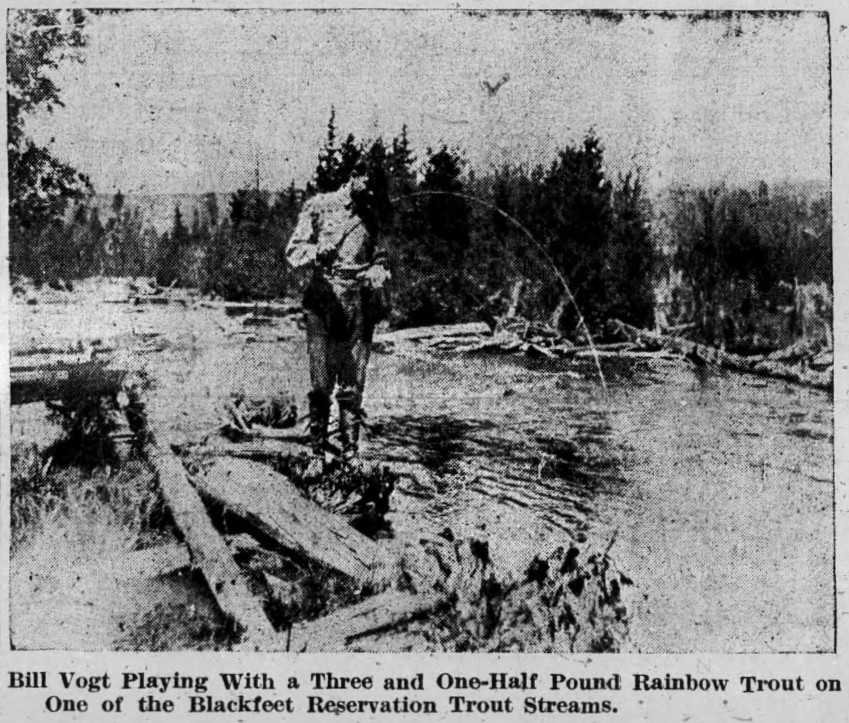
Given Vogt’s reputation and fame at the time for his extraordinary casting skill, I’m a little surprised that he only spent a few paragraphs on casting technique. He does present the expected chapters on equipment recommendations and technique mechanics. His preference for a reel was one without anti-backlash or level-wind capabilities. “I do my own thumbing and winding. You can cast much farther and with less effort with a reel that has no anti-backlash or level-wind attachment.” But I’d also venture that few anglers have the patience, time or determination that Vogt had in practicing to become a superlative caster. Surprisingly, his discussion of baitcasting technique covers scarcely more than two pages. The triptych of photos showing Vogt’s technique for what he calls the “body cast” (below) deserves more attention than he gives it in the book. It is a dramatic and even humorous method for long distance casting, but he gives it scant attention beyond the photos. I would have loved to read his thoughts on the cast in his book.
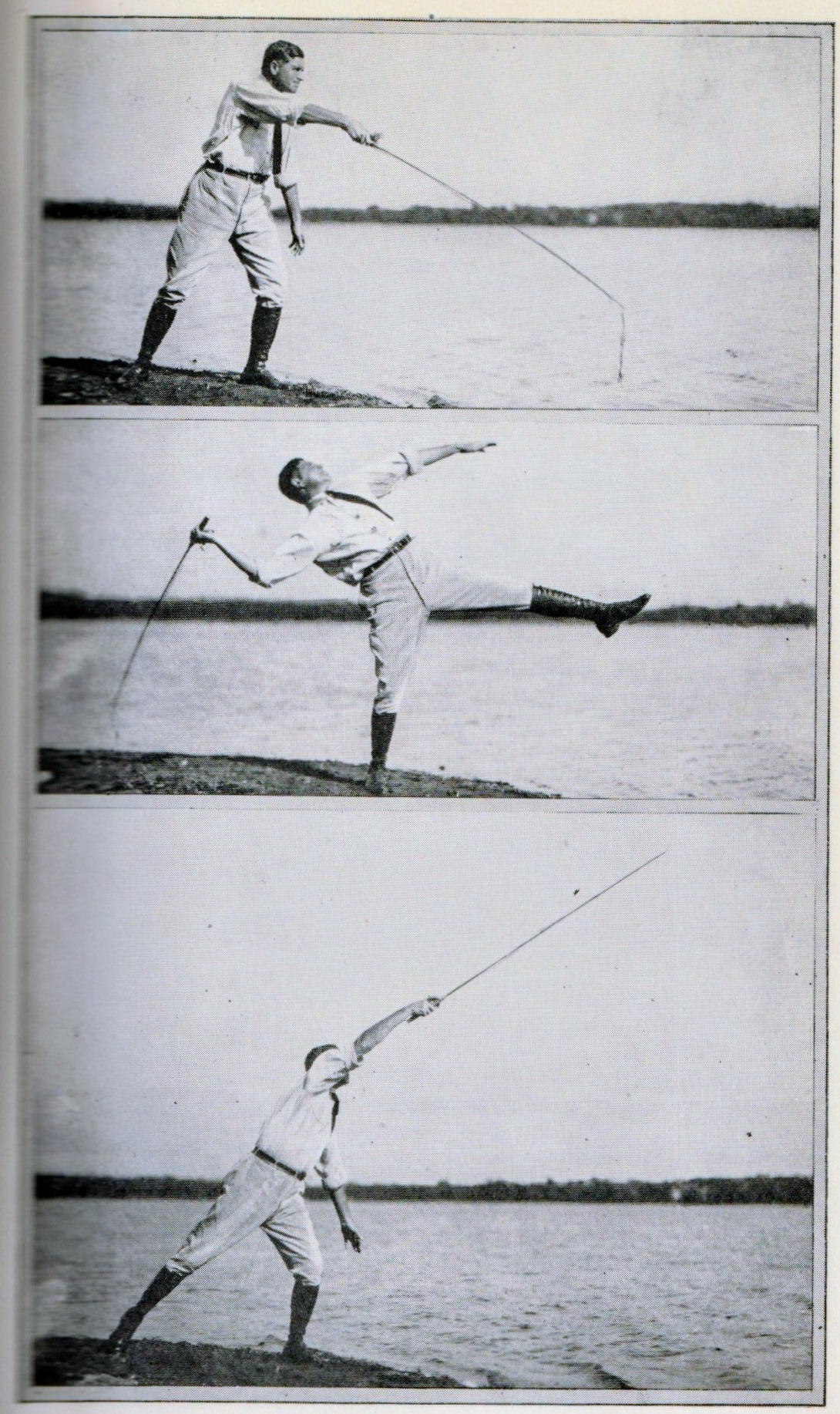
Fortunately, I was able to find a newspaper story in the May 27, 1928 edition of The Baltimore Sun that referred specifically to this cast. Vogt said,
“My system of body casting differs from the usual style in this way: The rank and file of casters depend upon the power of their arms, shoulders, and back, while I bring into action all the muscles, right down to my toes. I cast about as most baseball pitchers throw the ball. When I bring the rod back to my head to begin the cast I raise my left leg until it is parallel with the ground. As the cast proceeds I lower this leg and raise the other rearward. I thrust the left arm out straight to balance the right.”
“Thus I am able to put full force into the effort. Every part of me acts in unison to apply all my strength to the end of one arm. The termination of the cast finds me in the same position as the pitcher when the ball is half way to the plate. I am bent forward; my right arm is stretched out straight downward and I am poised on the toes of the right foot.”
“This posture leaves me ready to strike the fish if it should take immediate hold of the bait. If the fish should rush ahead with it I am prepared to take up the slack with the length of the right arm and the arc of the rod’s semi-circle.”
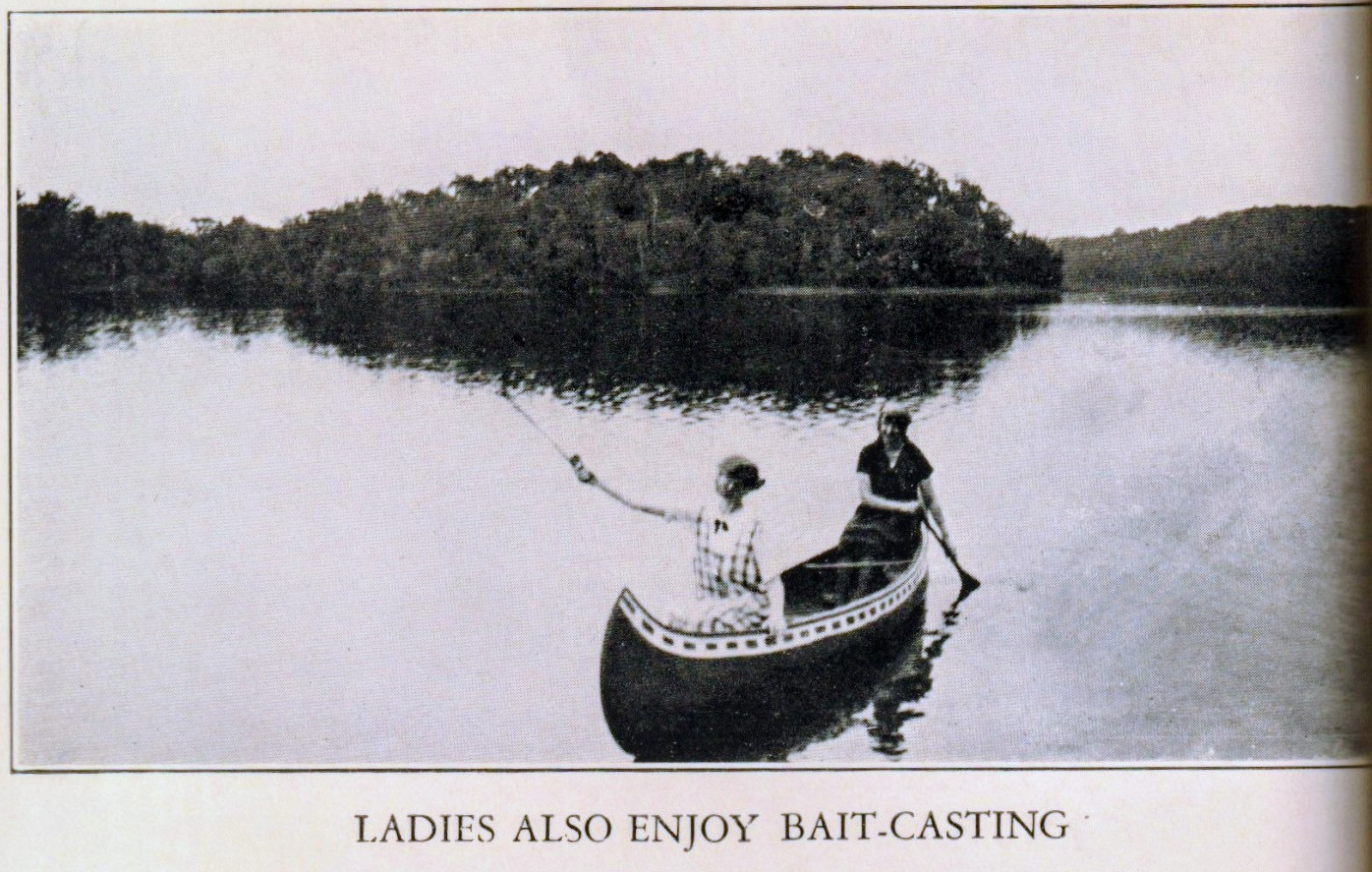
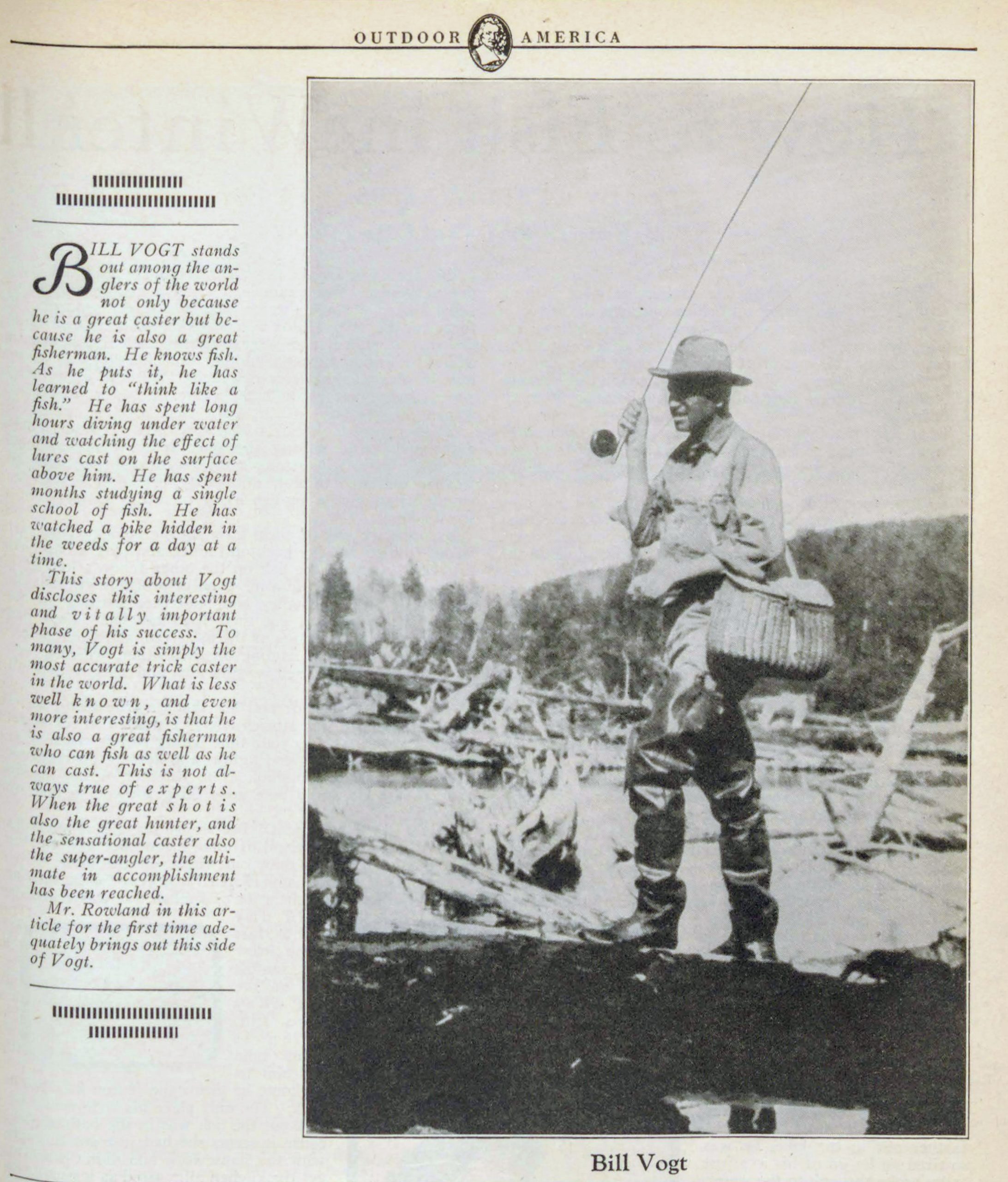
Vogt’s second chapter, “Experiments With Bait-Casting Lines,” is worth reading just for the attention he gives to the importance of the various types of vintage fishing lines to the success of baitcasting. It’s mighty interesting to read about this aspect of fishing gear and the attention anglers gave it 100 years ago.
Other chapters include “Artificial Baits,” “How To Find Fish,” “Weather, Haunts, and Instincts,” “Special Problems: Muskellunge, Pickerel, and Pike, River Fishing, Chubitis and Bullitis,” “Theories and Experiments,” and “How to Take Care of Fish.” Bait-Casting is around 105 pages in length, but almost half of that page count is photographs. It’s rich in personal anecdotes, stories and tidbits of advice, and to my mind emphasizes Vogt’s character as a top notch angler even more than his prowess as a distance and trick caster.
One thing I found most interesting in Vogt’s book was his recitation, and ultimately refutation of many of the superstitions and excuses that anglers are wont to use. Excuses for getting skunked are nothing new, and are as popular today as they were 100 years ago. But still, it’s humorous reading to see these excuses in print. In the chapter “Weather, Haunts, and Instincts” he lists some of those tales:
“They don’t bite in this lake in August during the dog days.”
“The fish in this lake don’t take artificial bait. There is too much natural feed in it.”
“They’re shedding their teeth this month. Their gums are sore, so they won’t take anything.”
“They’re down in forty to fifty feet of water now, at the spring holes.”
“The only way to get them now is with striped frogs two inches long.” (Of course, I understood that if any of these frogs happened to be a sixteenth of an inch longer, the fish would get highly indignant.)
“The only way you can get them now is early in the morning, before daylight.”
“If you could get some young mice…”
“I’ve fished this lake for eighteen years and the only time these babies bite is on cloudy days when the wind is from the south and there is a ripple on the surface. They’re all on the south shore in the smooth water watching for food to blow in.”
One time, Vogt responded to other anglers’ lack of success by having someone run him into town where bought a mess of vegetables and some hotdogs. He recounts,
“In the village I bought two ears of corn, two large white onions, two large red ones, two good-sized red beets, two yellow carrots, two turnips with purple tops, two cucumbers, two parsnips, six frankfurters, and a pig kidney.”
“I first used one of the ears of corn for bait, tying a treble hook in the middle of it with a piece of fish line. It was so heavy that I was forced to cast underhanded with both hands in order not to break the rod. I jerked it along near the surface, and in eleven casts I had three strikes and landed two bass. The first was a large-mouthed one and weighed about a pound; the second was a small-mouthed bass and weighed two pounds. This second fellow hit the bait with such force that he was lifeless when I landed him.”
“Then I tied the hook to the middle of a frankfurter. On the first cast a bass hit it so hard that several pieces flew up in the air, and I landed him on a bare hook. I landed three more with frankfurters, and lost several.”
“One of the egg-shaped red onions which was as large as my fist came next. I ran the line through the centre of the onion and tied a treble hook to it. After six casts I landed one small bass. I peeled the dirty skin off, and caught two more. A white onion brought in one also. If fish smell, they surely must like onions. I even caught fish with bait that had been soaked in kerosene.”
Most of his photographs are excellent and reveal an artist with a keen eye and a sensitivity to our place in the natural world. He was also a conservationist who fought for closed spawning seasons as well as an expert birder who designed and built bird sanctuaries. Vogt was a very interesting man and this brief tome left me wishing that he would have lived longer and written more, such as a follow-up volume where he discussed some of his life experiences and other interests, along with more fishing anecdotes. He died too young and left but a small glimpse into his life as a performer with rod and line and as an angler of substantial knowledge and skill.
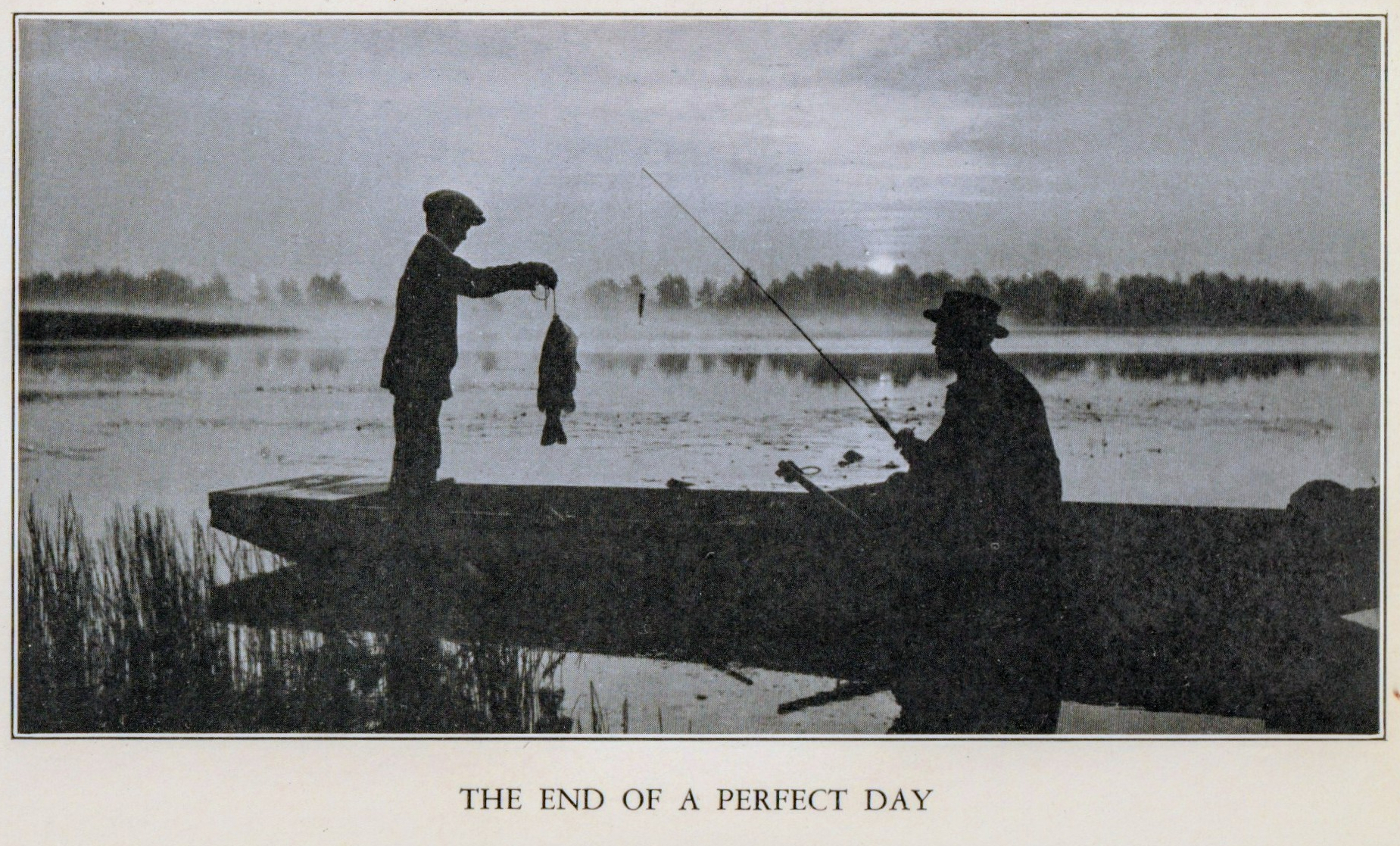
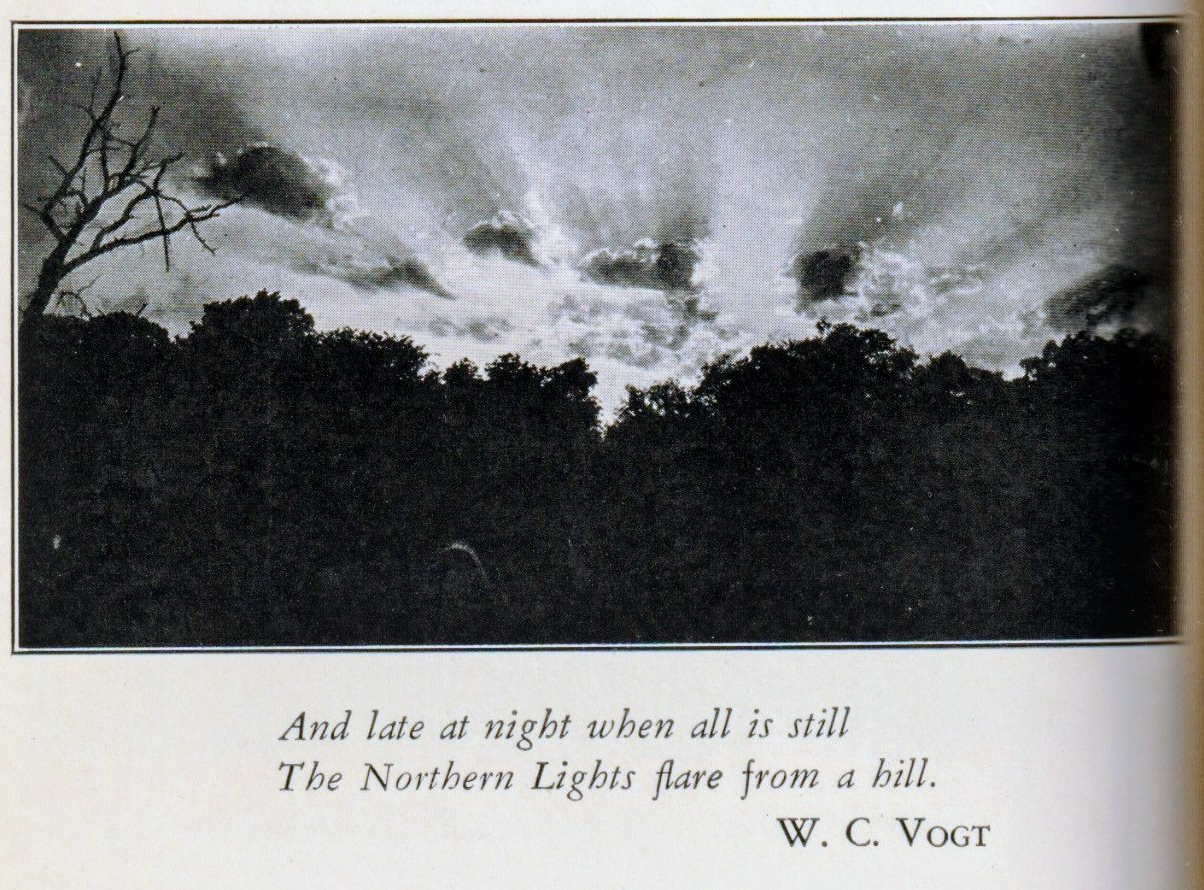





I have been wondering when BFA was going to tackle Bill Vogt. Before the internet, this book was difficult to find. To this day, when I see it on a bargain table for less than $10 it is hard to pass up when I remember that at one time it regularly commanded $50+”. Articles about or by Bill Voigt appeared in a few outdoor magazines in the 1920’s. It has been 20 years (or more) since I read “Bait-Casting” but two things remain in my mind from his writing. First, with proper manipulation, almost any floating object can draw strikes from Bass; the second may come from one of the magazine articles: trying to get the Florida legislature to introduce possession limits on bass, his efforts fell on deaf ears until he publicly demonstrated the need by catching 400 in a day!
I enjoyed researching Vogt, not the least because there is so little information on the man’s biography that’s out there. It was finding a kernel here and a half-kernel there, and not much more. Which of course compels me to keep digging. Frankly, given his list of accomplishments and fame at the time, I am amazed that more is not known or has been written about his life. He was a strong advocate for closed spawning seasons and a conservation advocate of fish and birds. I get the feeling that he is an unrecognized hero as far as conservation is concerned. It’s a shame that figures like William Vogt have been mostly forgotten. If you happen to run across any of those magazine stories, Bill, please share them with me…I’d appreciate it.