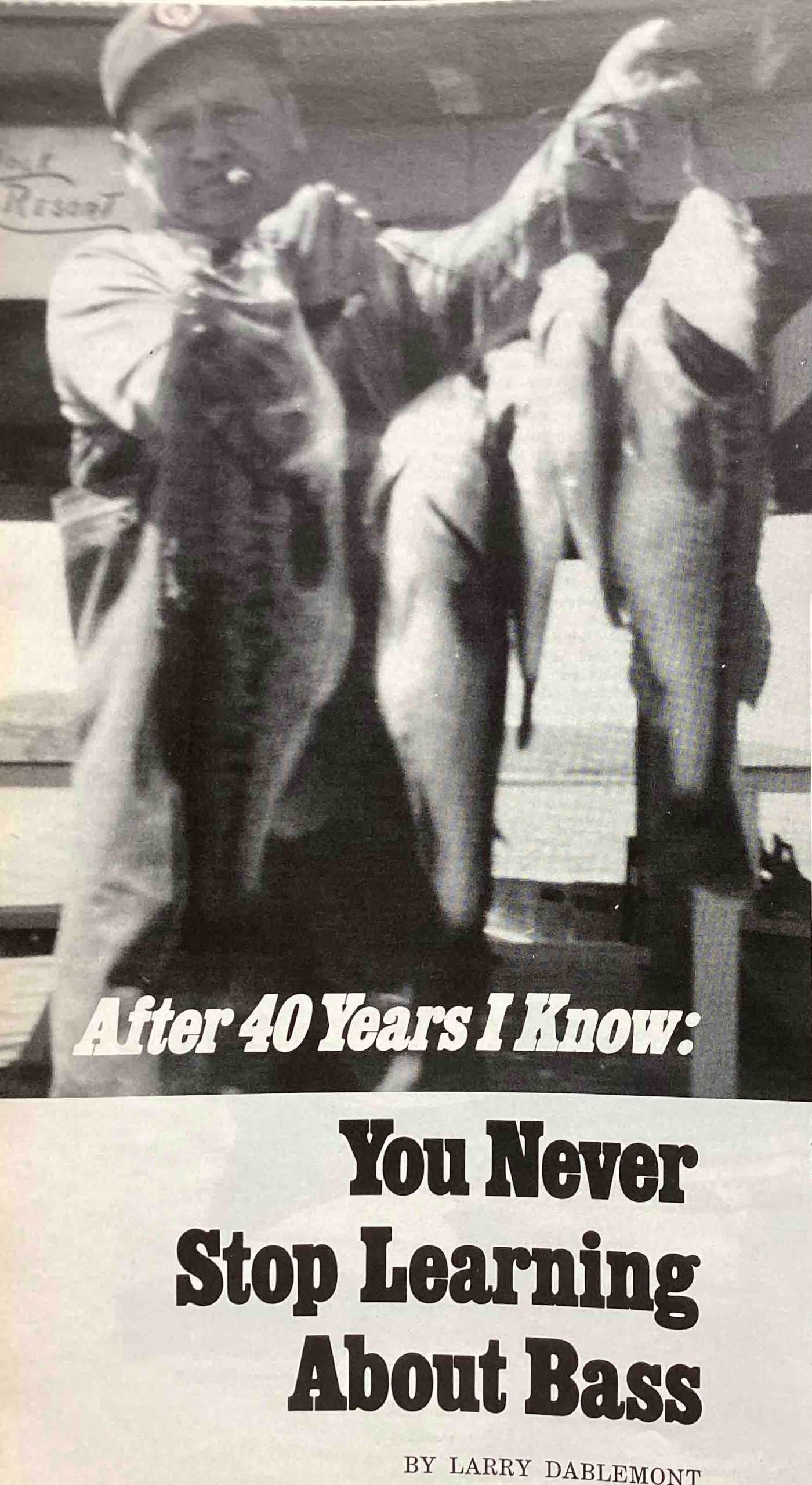
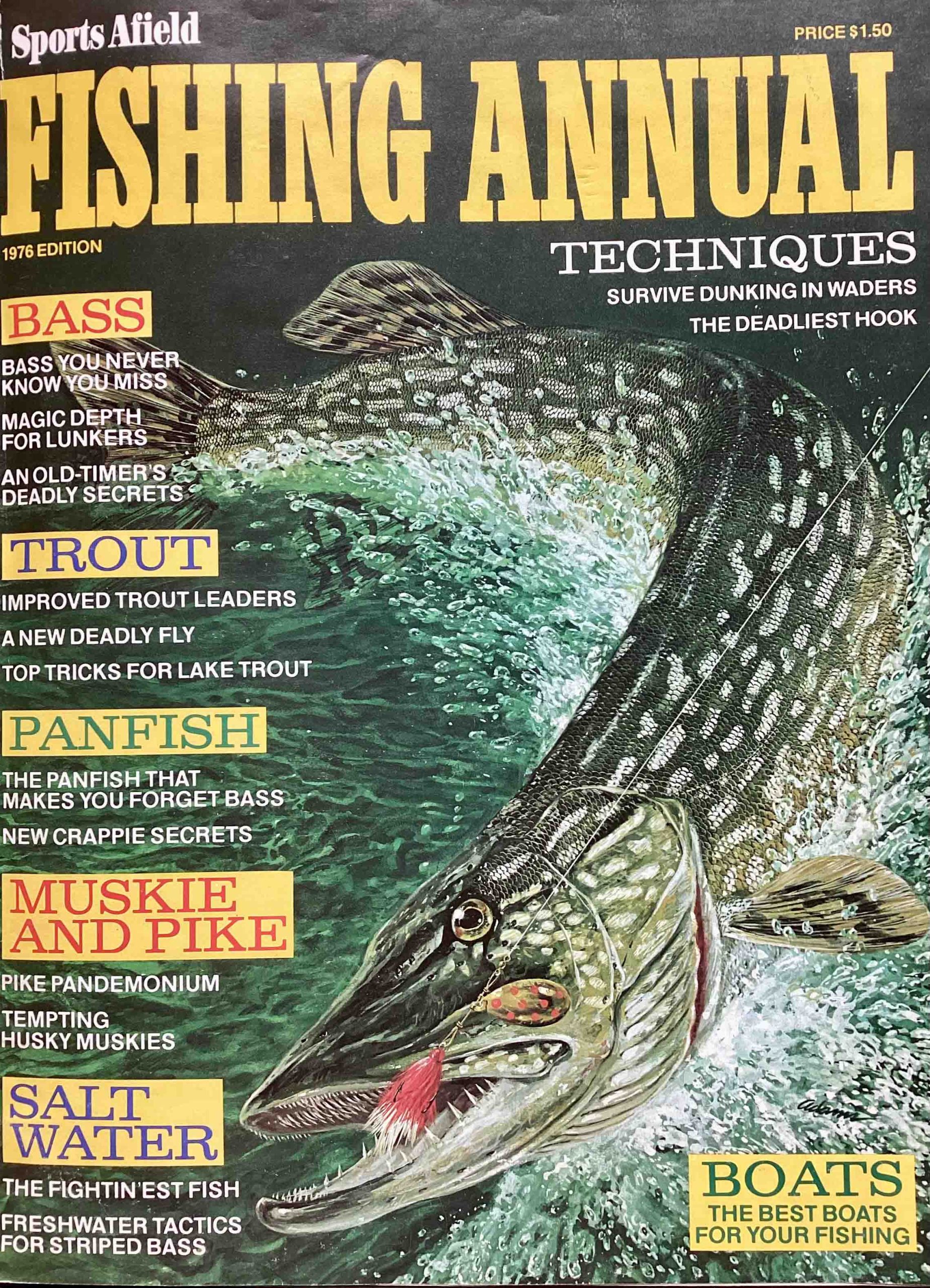
Aging is a funny thing. On a given day, I can forget where I put my keys or a neighbor’s first name. At the same time, certain memories of my youth, especially regarding those that turned me into a passionate bass fishing afficionado, I can remember with great clarity. Such is the case with the article from the 1976 Sports Afield Fishing Annual, “After 40 Years I Know: You Never Stop Learning About Bass” written by Larry Dablemont. This was an article that made a huge impression on me as a young man, especially since it focused on all the Ozark lakes that I was beginning to frequent with my dad.
Now, almost fifty years later, I obtained a copy of the magazine in a humorously crazy way and in the process, discovered a myth that deceived me all these many years. In Ozark Bass Lore-Something’s Fishy I’ll explain both as we examine this classic article.
With a Little Help from My Friends
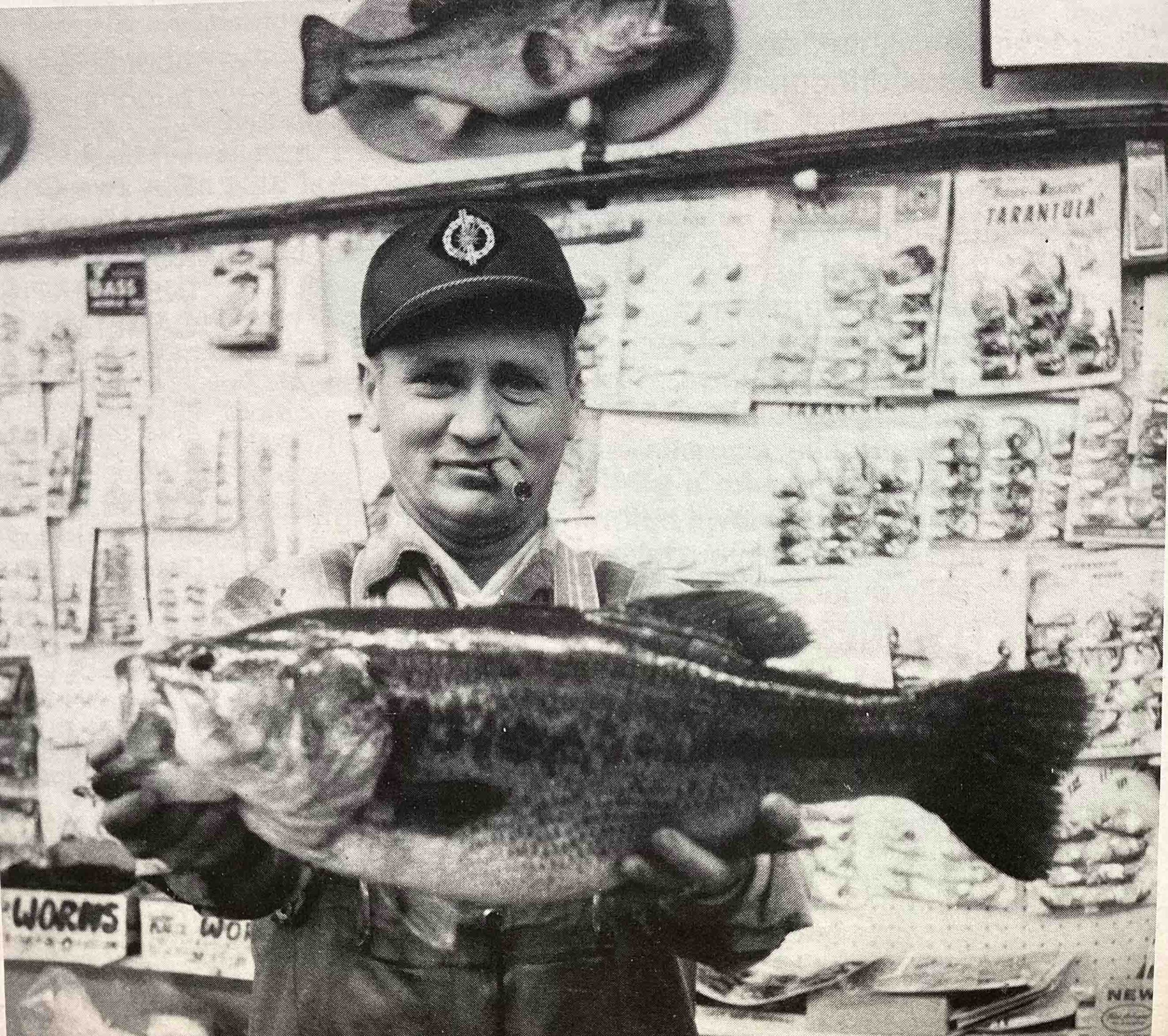
Several months ago, I had mentioned to my fellow BFA contributor, David Smith, that I had been searching for an article from my youth that was written by Larry Dablemont. In the article he described how he had managed to catch a ten-pound Table Rock Lake lunker on a jig/eel while wading. Even more impressive is that when he landed the bass, the only thing keeping it buttoned was that the long pork eel had wrapped around the fish’s gills.
I also mentioned to David that I couldn’t recall the exact publication the article was in, but I thought it could be a Sports Afield or Sports Afield Fishing Annual from around the mid-1970s. Unbeknownst to me, David went on a detective mission of his own to help me find this mystery publication. At the same time, I was on an identical search and found an auction on eBay for 3 mid-seventies Sports Afield Fishing Annuals. Based on the descriptions and photos in the listing it looked like I hit paydirt. I bid, won the auction, paid and waited for them to arrive.
Several days later, I received a refund for this very auction with a note that the magazines were no longer available. An inquiry with the seller determined that someone had already won this auction, and eBay mistakenly took the auction to read that the seller had three sets of three magazines, not just one auction for three magazines. So, the listing was still showing active when I bid. Unfortunately, I was not the first winning bidder. Little did I know that the original winning bidder was none other than David Smith!
Much to my surprise, a package arrived a week or so later with a nice note from David that he had tracked down the publication containing the very article I was looking for. Thank you, David!
A Deception is Uncovered
The day I received David’s package, I immediately read the article and gazed at the photos that still resonated with such great memories. It was a fascinating and entertaining story of a WWII veteran who grew up in the Ozark region, and upon his return from overseas, fished the newly created reservoirs as the White River began to be damned for flood control and hydroelectric power.
Much like Sam Welch who I recently shared a post on, the author due to his birthplace and age was able to experience the great bass boom that occurred during this era.
More importantly, the article was entirely a first-person account of this experience, including the preface in the title, “After 40 Years I Know”.
Wanting to find out more about the author, Larry Dablemont, I started my internet search and found that he not only maintained his own website, but he was also quite a prolific author.
The website included a photo of what appeared to be a middle-aged man who did not really resemble what the man in the photos of the article from almost fifty years ago would look like today.
I curiously began thinking of how old someone must now be who served in the Battle of the Bulge and had 40 years of bass fishing experience in 1976. Let’s say you started bassin’ at 15 years of age, in 1976 with 40 years of experience you would be 55, add in 49 years to get to 2025 and you would be looking at a 99-year-old man. A WWII veteran would be at least that old. Something didn’t add up.
Poking around Larry’s website and looking at descriptions of his books, the mystery was solved when I stumbled on his tome, Ridge-Runner, From the Big Piney to the Battle of the Bulge.
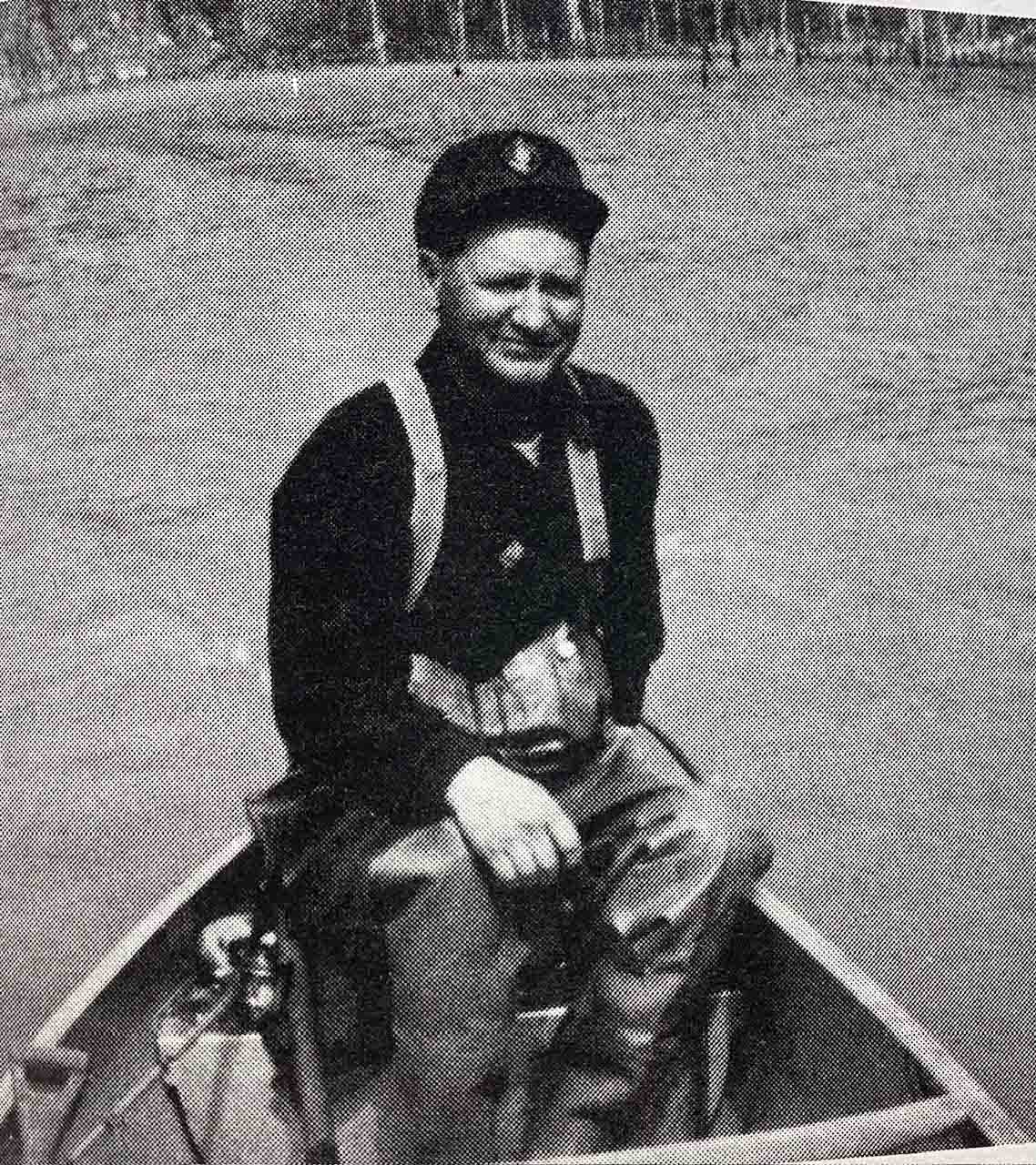
The book’s authorship was credited to Norten Dablemont, as told to Larry Dablemont. Here amongst these pages were many of the same photos and stories that were in the 1976 article authored by Larry Dablemont.
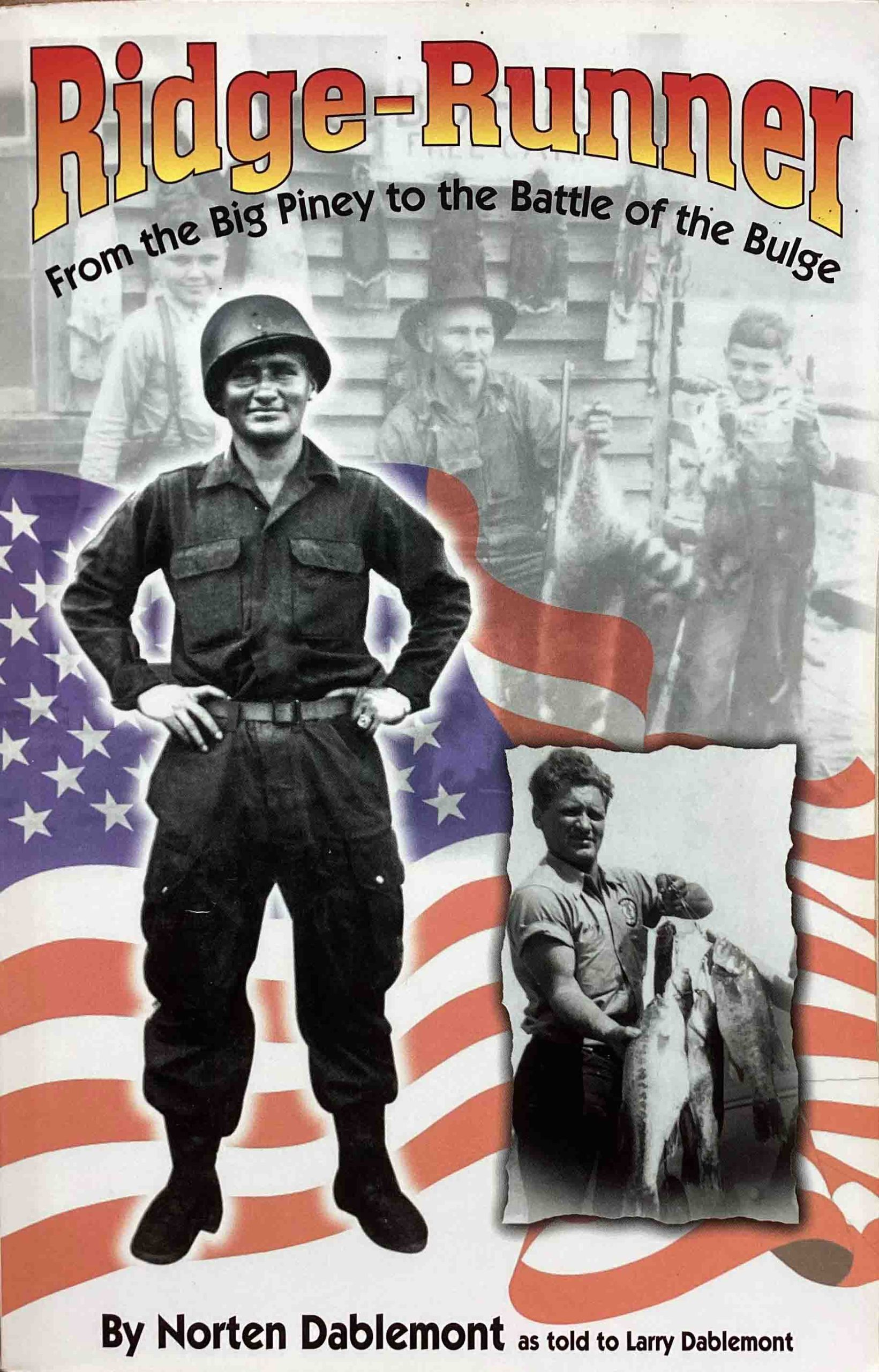
The evidence was irrefutable; the story and photos from “After 40 Years I Know: You Never Stop Learning About Bass” were truly about Norten Dablemont but written by Larry Dablemont in a first-person narrative.
Why Larry Dablemont submitted this article to Sports Afield as a first-person account, and then later wrote a book that gives clear indication that the individual in the story and photos is his uncle, Norten, remains a mystery. I reached out on several occasions to Larry via email with no reply. Mystery and deception aside, let’s dive into the article.
40 Years of Ozark Bassin’
Norten Dablemont was born in 1923 close to where the Big Piney River flows through the Ozark region of southern Missouri. He gained his initial fishing experiences on this same river and caught his first bass, a smallmouth, in 1936.
His early bass fishing exploits were tackled with the fly rod. He came from a family of fishermen and soon started to guide on the Big Piney.
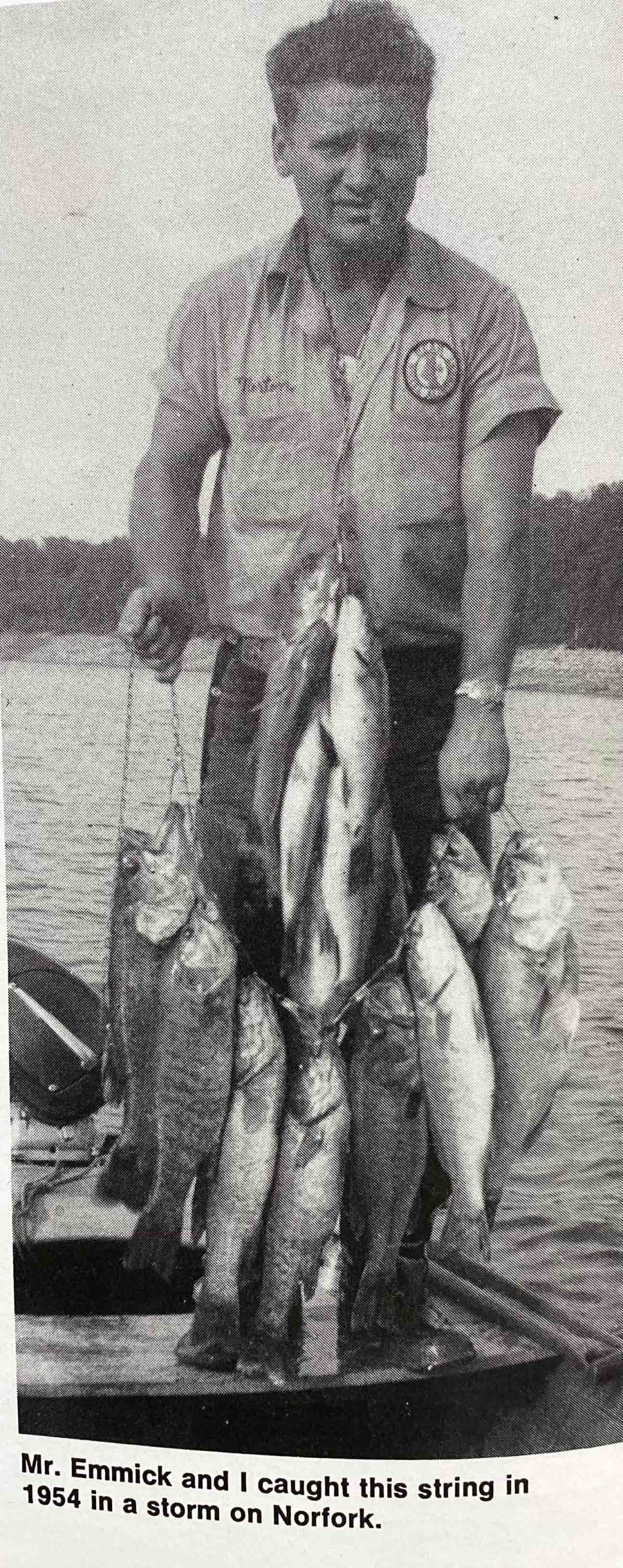
It was guiding on the Big Piney where he met and befriended a steady client from St. Louis, Carl Emmick. Mr. Emmick introduced Norten to casting equipment and insisted that he learn to use it with his instruction.
“It didn’t take long to learn to use it, and on his next trip down, Mr. Emmick brought me a brand new direct-drive Shakespeare, complete with 20-pound braided-nylon line. My days with a fly rod were over.”
From 1943 to 1946 Norten served his country as a member of the 101st Airborne, fighting in the famous Battle of the Bulge:
“There in that cold and misery I vowed that should some miracle occur and I make it back to the Ozarks, I’d spend the rest of my days fishing.”
When he arrived back home, a lot had changed including the creation of Norfork Lake, with construction of the dam beginning in 1941 and completion in 1944. Soon after the lake was impounded. Norten Dablemont took full advantage of the situation and began guiding clients, including Mr. Emmick,
“We never had a dry run on that lake during that time. I became a full-time guide on Norfork in the spring of 1954…. By then, I had more business than I could handle. The fishing was as hot and as consistent as I’ve ever seen it.”
Much like the famous Ozark fisherman, Sam Welch, Norten was also an ardent fan of the jig-and-eel for lunker bass.
“I caught my first eight-pound fish on a jig-and-eel, and it seems that three out of four of my big bass have fallen to that combination. If a fisherman wants a lunker, the jig-and-eel is the surest way to get it.”
In 1959, with the big bass fishing at Norfork starting to fade, Norten moved on to guiding a the newer and hotter Bull Shoals Lake.
He fished quite a bit at night and also began doing something rather unusual for a deep and clear reservoir the size of Bull Shoals. He began wading.
“I began leaving my boat at every opportunity to fish parallel to the bank, wearing chest waders. Fishing from the bank, I spent hours learning to use the jig-and-eel in water often deep and brushy.”
Norten continued his pursuit of lunkers on Bull Shoals, until like Norfork, fishing started to slow and the lure of another new and exciting lake, Table Rock, beckoned in the early 60s.
It was here that his wading and jig-and-eel experience would land him his first certified Ozark ten pounder and would create the story that has been etched in my mind for nearly 50 years.
The Table Rock Tandem
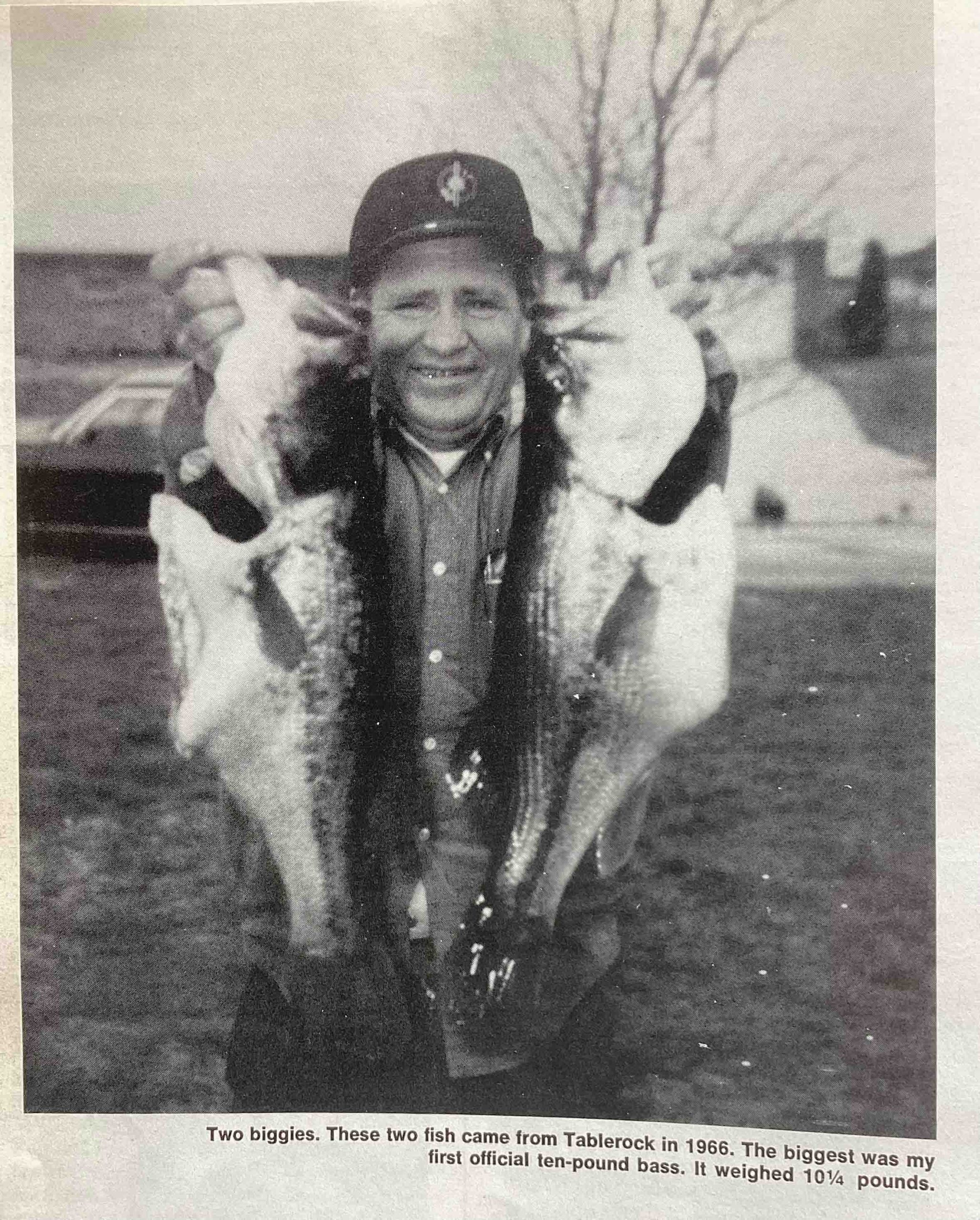
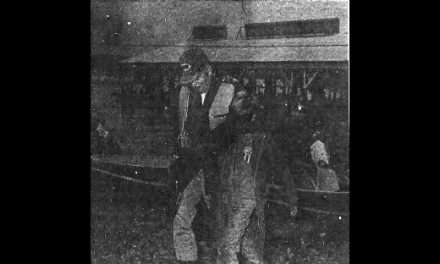
“A few days after Easter in 1966 fishing off the point of Clevenger Cove I tied on a jig-and-eel and began wading down the bank slowly and quietly, fishing the lure parallel to the bank among heavy brush and standing timber. Just after daybreak, I felt the sudden jolt of a strike 20 feet away from me, in six or eight feet of water. I had no special feeling about this bass, but I knew he was as good as any …. He tried to get around several trees, but I hauled him back hard …. Finally, as I pulled him near to where I was standing in the knee-deep water, I got a good look at him, and I knew I had finally hooked the fish of my dreams.
“He was only three feet away from me when he gave a last dying fight for freedom. I hesitate to tell the rest, but it happened, though I am the sole witness. The hook lost its hold, but still I was able to pull the fish that last foot to grasp its lower jaw only because the ten-inch eel had wrapped around the thin bony structure below the bass’s gill. The bass tipped the scales to 10 pounds 4 ounces. …. Thirty minutes or so later, I hooked another one in the same area. He weighed 9-1/4 pounds.”
Further Ozark Exploits
In the early seventies, Norten Dablemont followed the hot lake bass fishing in the region to Greers Ferry Lake, Arkansas. As Table Rock was becoming overcrowded with fisherman, Norten described Greers Ferry as;
“yielding as many five-to eight-pound bass in that period of time as I have ever seen caught.”
Norten managed to catch a ten pound plus bass, as well as one just one ounce shy of that mark before vacating Greers Ferry for greener pastures.
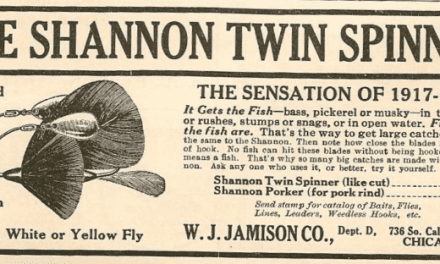
Moving on to Beaver Lake in 1973, Norten continued guiding and caught his fifth ten-pound Ozark bass in midwinter, again while wading. The bass took a “big yellow spinner with a black pork-rind in 30 feet of water.”
Over time, Norten returned to his float fishing roots and left the lure of the big reservoirs.
“Nowadays, I guide many clients on float trips, and all prefer the streams to the lake fishing of our region. To say it like it is, our lakes have lost a great deal of what they once had. As they age, they seem to lose fertility, and the fishing slows.”
After a long, interesting and bass filled life, Norten Dablemont died February 13, 2013, at the age of 89.
Conclusion
As a young 16-year-old, this article enthralled me about the lore and amazing history of these storied lakes of the Ozark region. The photos and storytelling captured my imagination and left an indelible impression that remains even today. Though I mistakenly believed all these years that the author and the subject were the same person, it doesn’t lessen its impact but does disappoint some.
One thing is for certain, however, Norten Dablemont was quite a colorful character and Ozark fisherman extraordinaire, and Larry Dablemont sure knew how to spin a great fishing yarn.




Woohoo! That is a heckuva story, Mike! You’ve uncovered and preserved the story of a man, Norten Dablemont, who deserves to be added to the pantheon of old time fishing greats, every bit as knowledgeable and accomplished as anyone who ever fished those famous reservoirs. Makes me wonder how many other anglers might be out there who consistently caught big bass using techniques honed by trial and error. Pretty awesome too, that Mr. Dablemont has a book out on his life. This piece was a joy to read, and my small part in the story made me chuckle at the little twists, turns and rabbit holes we find ourselves in as we continue to uncover and preserve the history of bass fishing. Thanks Mike, this was a fun, informative, and highly entertaining article!
Thank you very much for your comments, David. As mentioned in the post, your assistance was invaluable in bringing this great article from 1976 back into the limelight. It was such a pleasure for me to relive it and share it with our readers here at BFA.